Auburn, AL
Garage Door Service for Auburn's 1970s-Era Housing Stock
Most Auburn garage doors date to the 1966-1980 building boom. Here's why that era of hardware fails, what it costs to fix, and when it's not worth fixing.
Why It Happens Here
Auburn's housing stock leans heavily toward one window: most of the service area was built between 1966 and 1980, with a median build year around 1975, and that pattern holds across all four of the older named areas in town. That's a specific kind of garage door. Doors from that era were hung on heavier steel track with galvanized torsion springs rated for a 10,000-to-15,000-cycle life, and forty-plus years later a lot of that original hardware is still in the opening, just worn past the point of smooth operation.
The climate here is mild with occasional freeze, not the deep-freeze cycling that cracks metal outright, but enough temperature swing across a year to work rubber weatherseal brittle and let condensation sit in bearing plates that were never sealed. You don't get the catastrophic ice-jam failures some regions see. You get slow failure: a spring that's lost tension gradually, rollers that have worn oval instead of round, a track bracket that's loosened a sixteenth of an inch at a time over decades. That slow, cumulative wear pattern is the Auburn story more than any single dramatic event.
Newer builds elsewhere in the area don't show this pattern yet. It's specifically the 1960s-70s stock carrying original or first-replacement hardware that calls us.
Can You Do This Yourself
Some of this is within reach for a homeowner with basic tools. Lubricating rollers and hinges, tightening loose track bolts, replacing a worn weatherseal strip, checking and adjusting the photo-eye sensors - all reasonable DIY work on a door this age, and doing it twice a year will extend the life of hardware that's already outlasted its rated cycle count.
Spring DIY warning
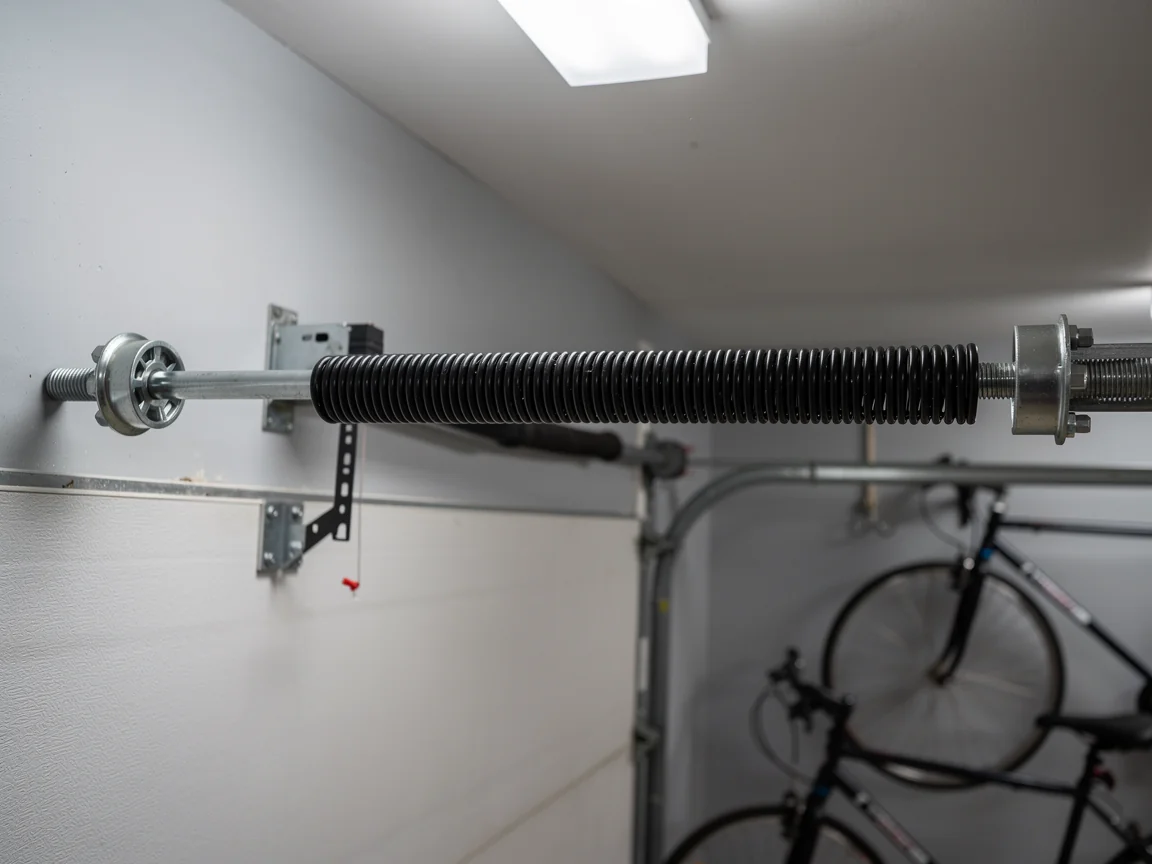
What we don't recommend doing yourself: torsion spring replacement. A wound torsion spring on a standard residential door stores enough force to break bones or worse if the winding bars slip, and on a door old enough to have mismatched or non-standard spring sizing - common in this housing stock where parts have been swapped piecemeal over the decades - guessing at the replacement spec makes it worse, not safer.
Drum-side cable risk
Cable work on the drum side carries similar risk for the same reason: old hardware, non-standard replacement parts, no way to verify the spec without pulling the panel.
Emergency release under tension
If the door won't open at all, don't force it with the emergency release while a spring is under tension. That's the one call where waiting for a truck costs you nothing and doing it alone costs you a finger.
The Cost of This Job
We don't publish a flat price here because a 1975 door with original hardware and a 2015 door with one bad roller aren't the same job, and quoting one number for both would be dishonest.
Scope only broken parts
What we can tell you is how we think about it on houses like these: median household income in the service area is $42,705, which means we scope jobs to fix what's actually broken rather than upselling a full replacement when a spring and a roller set will get another decade out of the door.
New opener mismatch
That said, honesty cuts both ways. On a door from the 1966-1980 build window that's never had the springs replaced, we'll often tell you that spending on a new opener motor to pair with 45-year-old track and panels doesn't make sense - the track is the limiting factor, and the opener will outlive it.
Full assembly over patches
Where the hardware is original and worn across multiple points at once, replacement of the full assembly usually costs less over five years than three separate service calls to patch one part at a time.
How It Shows Up
Across roughly 3,952 households in the service area, with about 1,829 of those owner-occupied houses, we see the same handful of symptoms repeat on the older stock.
Heavier lift symptoms
A door that's noticeably heavier to lift by hand than it used to be - that's spring tension loss, gradual, not sudden. A door that shudders or jerks partway through its travel - that's usually a roller that's worn enough to bind in the track rather than roll through it.
Reversing from sensor drift
A door that reverses on its own partway down - on a house this age, check the sensor alignment first, since decades of settling can nudge brackets just enough to throw the beam off.
Distant towns, same wear
If you're six to eleven miles out toward Loachapoka or Notasulga, or further out past Camp Hill or Tuskegee, the housing pattern and the symptoms are usually the same - it's the same building era driving the same wear. The difference is just drive time on our end, not what's wrong with your door.
Questions
Common questions
Why does my garage door feel heavier to lift than it used to?
That's almost always spring tension loss, not a problem with the door itself. Torsion springs on houses from the 1966-1980 era were rated for a set number of cycles, and most original springs in this housing stock are well past that count. The fix is spring replacement, not adjustment - a spring that's lost tension can't be re-tightened safely.
Is it worth replacing just the opener on an older door?
Depends on the track and panels. If your door dates to the original 1966-1980 construction and the track is original too, a new opener motor paired with worn track and rollers won't give you the smooth result you're expecting. We'll tell you straight if the track is the real limiting factor before we sell you a motor.
Do you service houses out toward Loachapoka or Notasulga?
Yes - those areas run 6 to 11 miles out and see the same 1960s-70s housing pattern as the rest of the service area, so the common failures are similar. Camp Hill and Tuskegee are a bit further at 16 and 17 miles, but we cover those too.
Explore more
Explore More Services In Auburn, AL
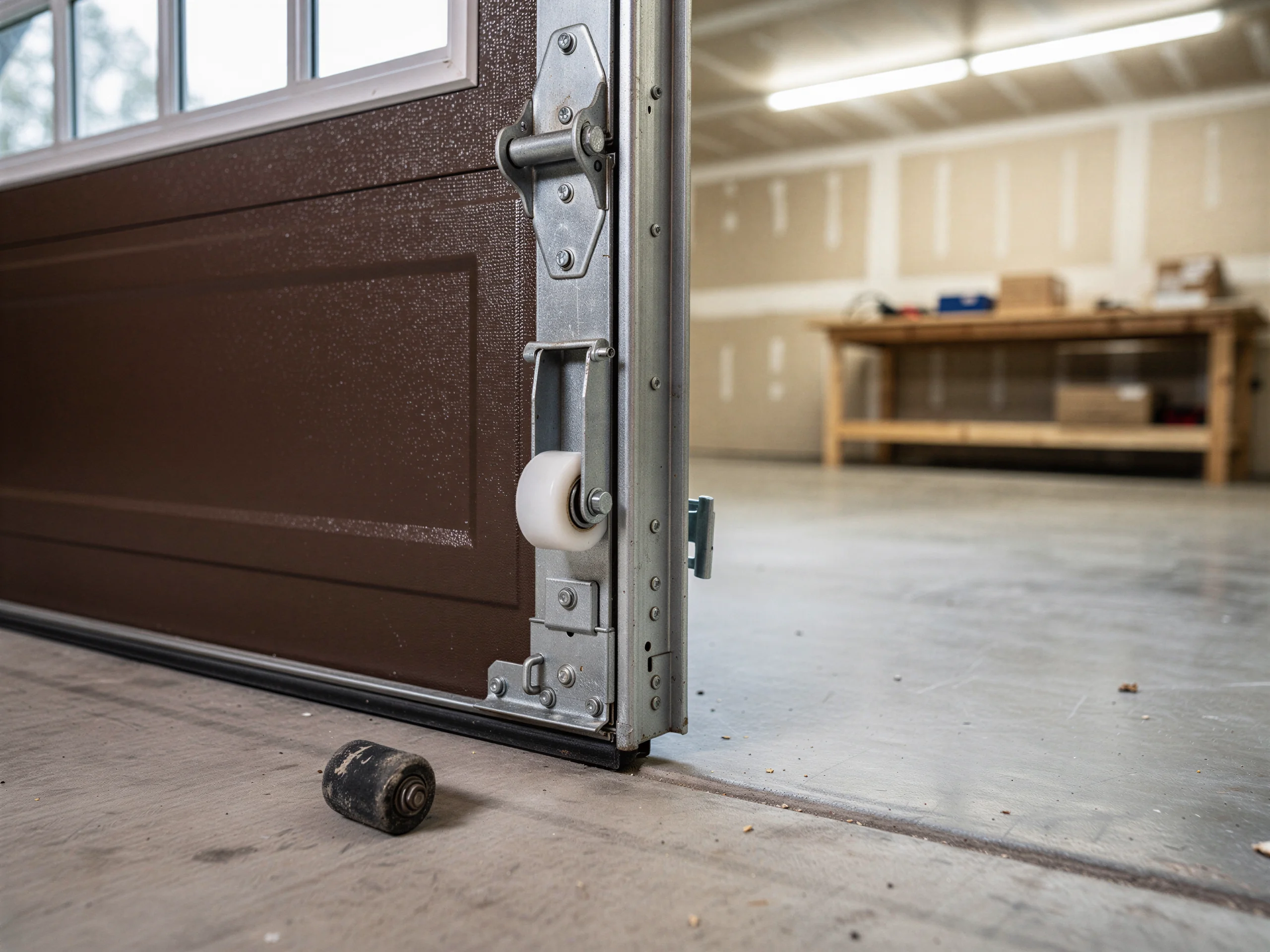
Garage Door Roller Replacement for Auburn Homes
Worn rollers on Auburn's 1966-1980 housing stock grind, jump track, and bind. Learn more →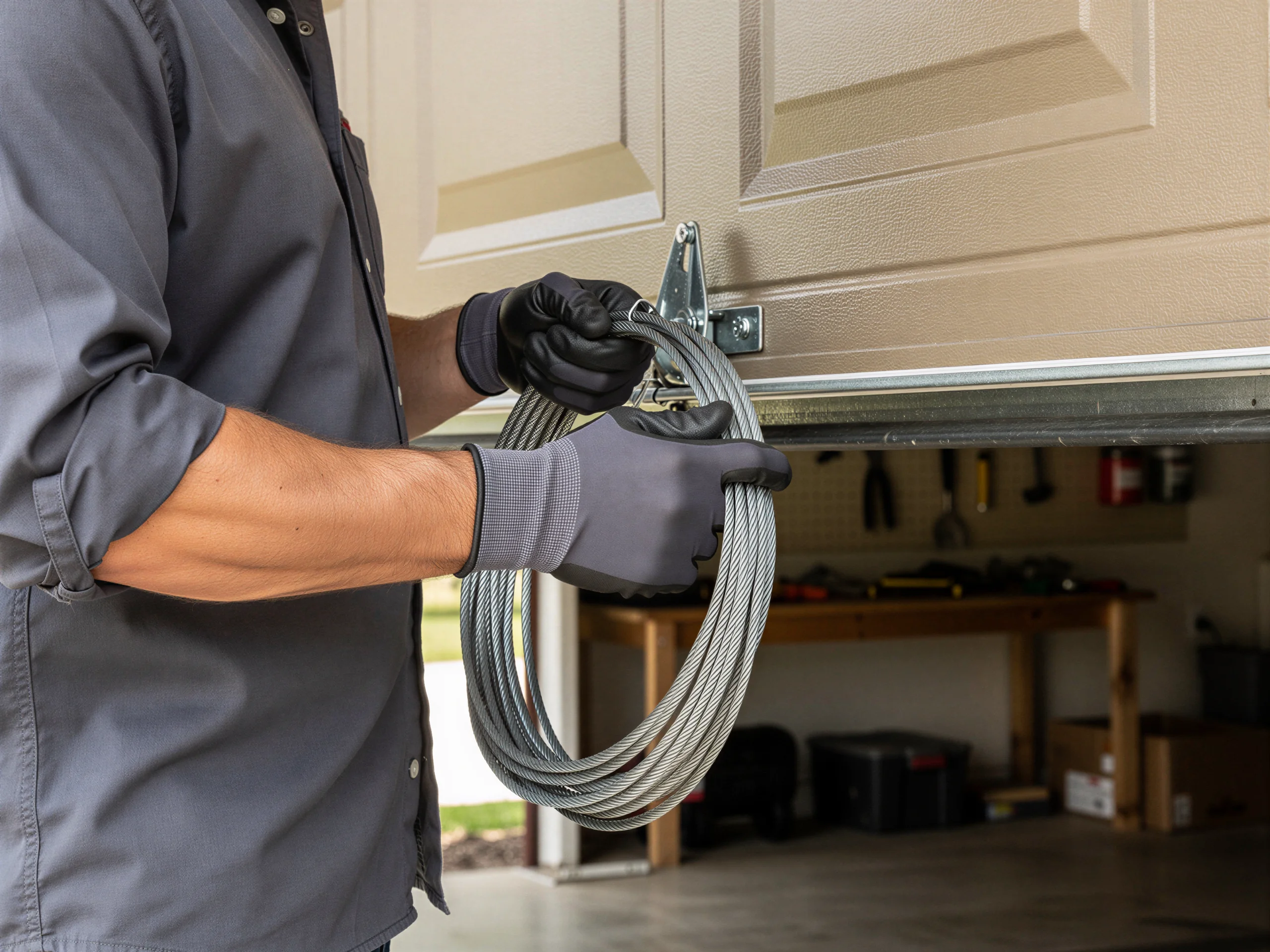
Garage Door Cable Repair, Auburn AL
Frayed or snapped garage door cables are common in Auburn's 1960s-70s housing stock. Learn more →
Garage Door Maintenance for Auburn's 1970s-Era Housing Stock
Auburn homes built mostly 1966-1980 run original hardware that wasn't made for decades of mild-freeze cycling. Learn more →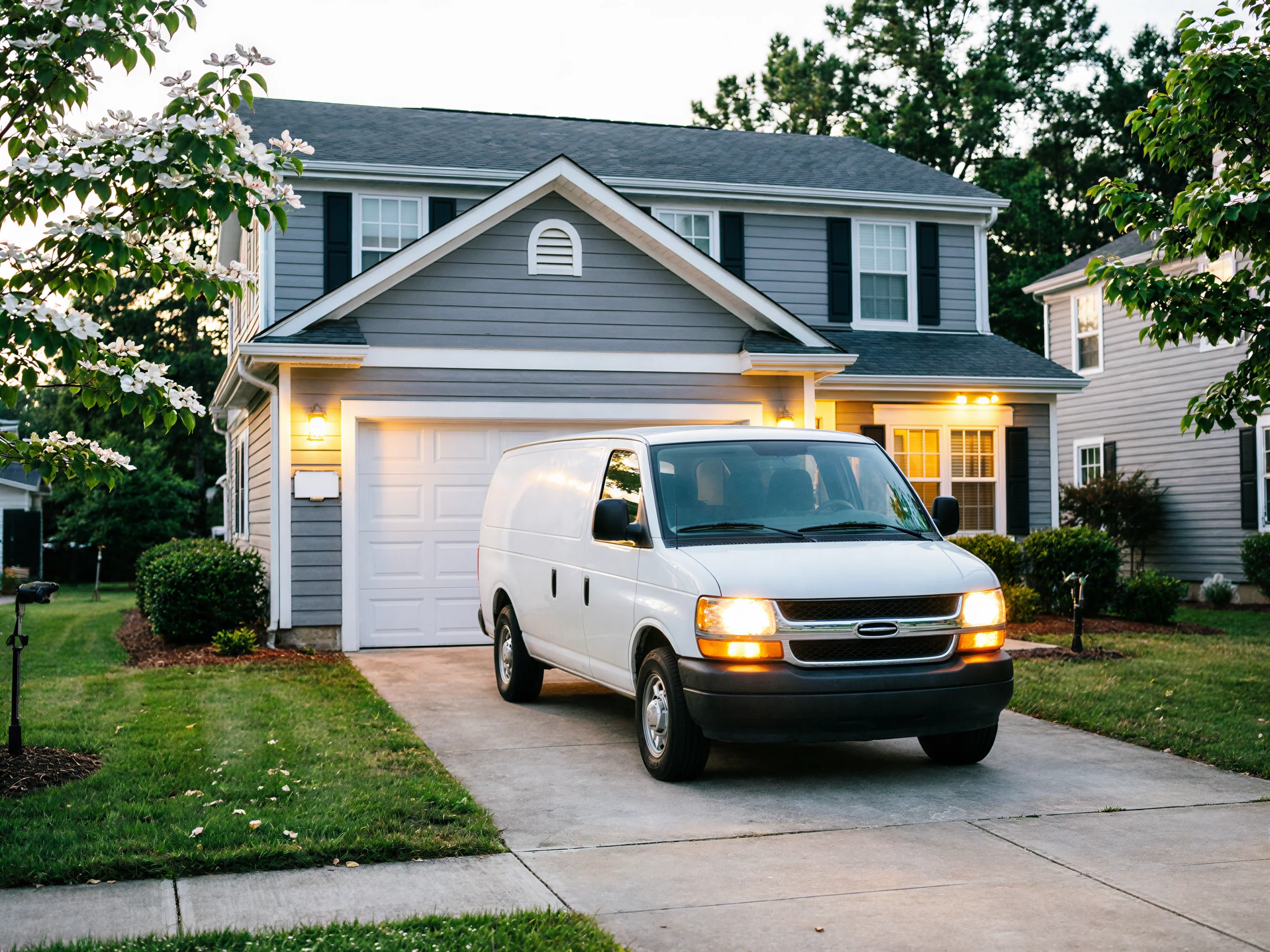
Emergency Garage Door Repair in Auburn, AL
Auburn's housing stock dates mostly to 1966-1980. Learn more →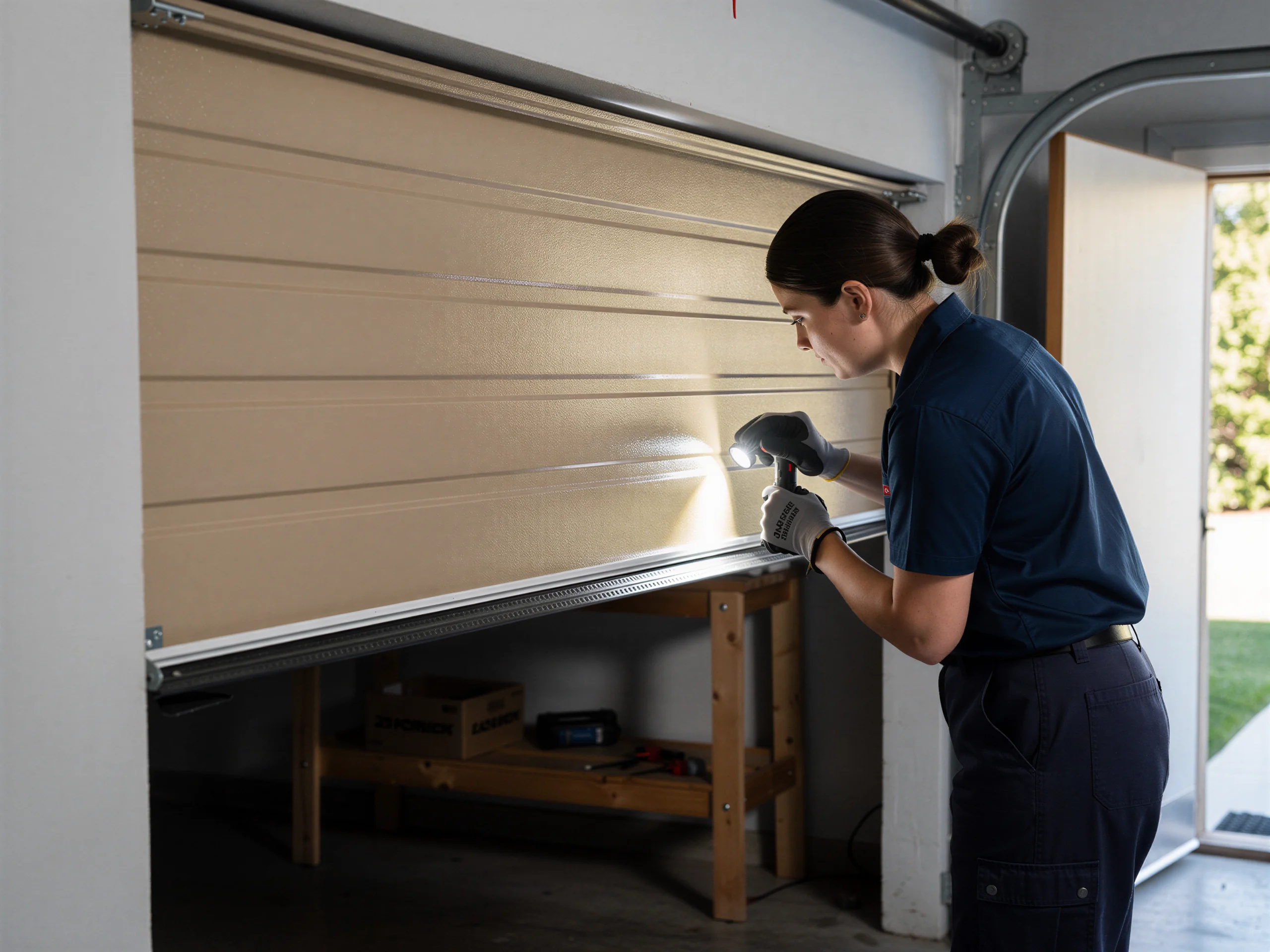
Garage Door Repair Built Around Auburn's Older Housing Stock
Garage door repair for Auburn's 1960s-70s housing stock. Learn more →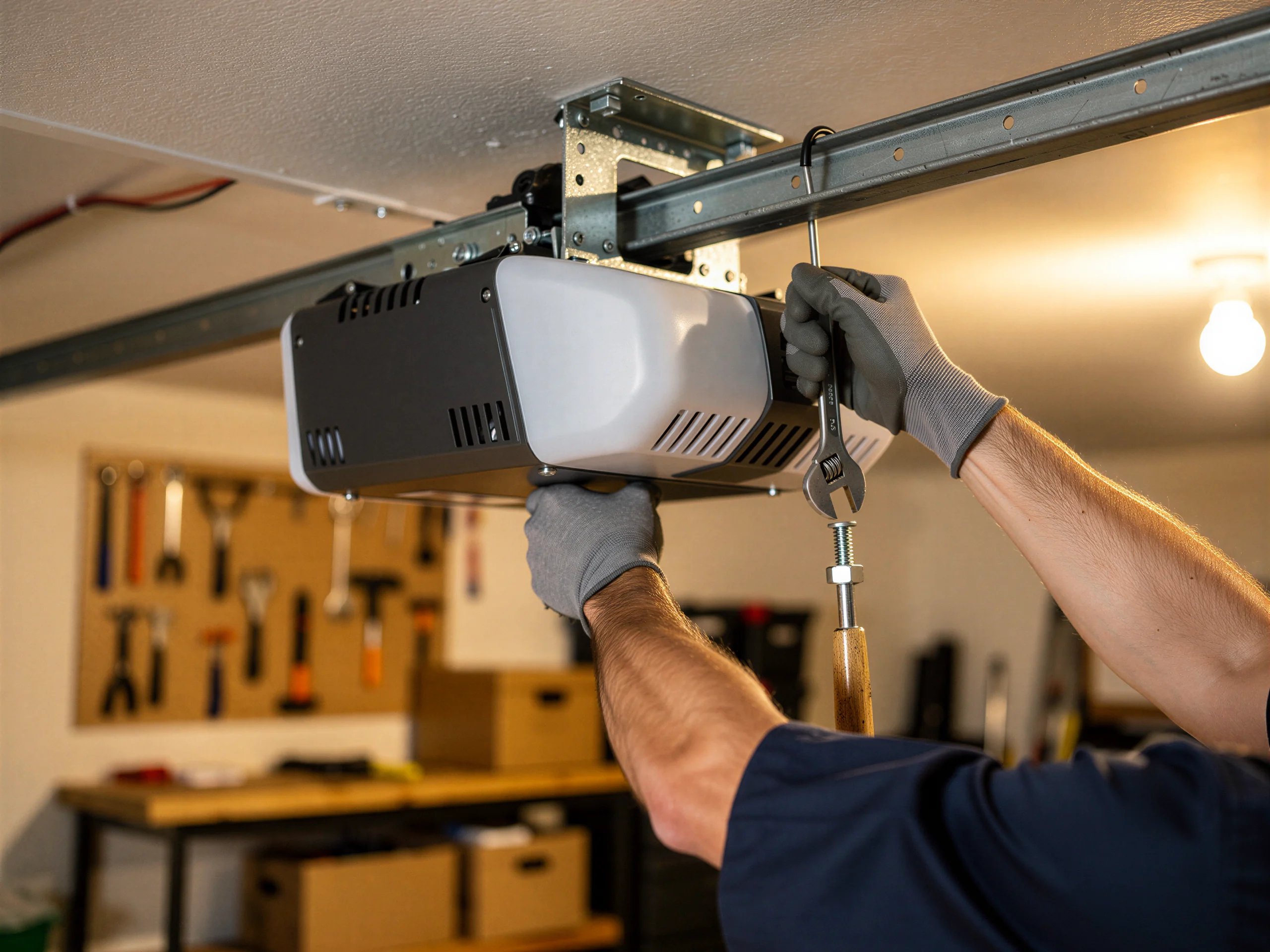
Garage Door Opener Installation for Auburn Homes
Opener installation for Auburn's 1966-1980 housing stock. Learn more →Ready when you are
Need a garage door sorted in Auburn?
Auburn Garage Door Pros repairs and installs garage doors, springs and openers in Auburn, AL and the surrounding area.