Routing from one base
If you call in the morning, you're not competing with a backed-up local queue the way a bigger town might have - we're routing from one base, and Loachapoka is one stop on that route.
Loachapoka, Auburn AL
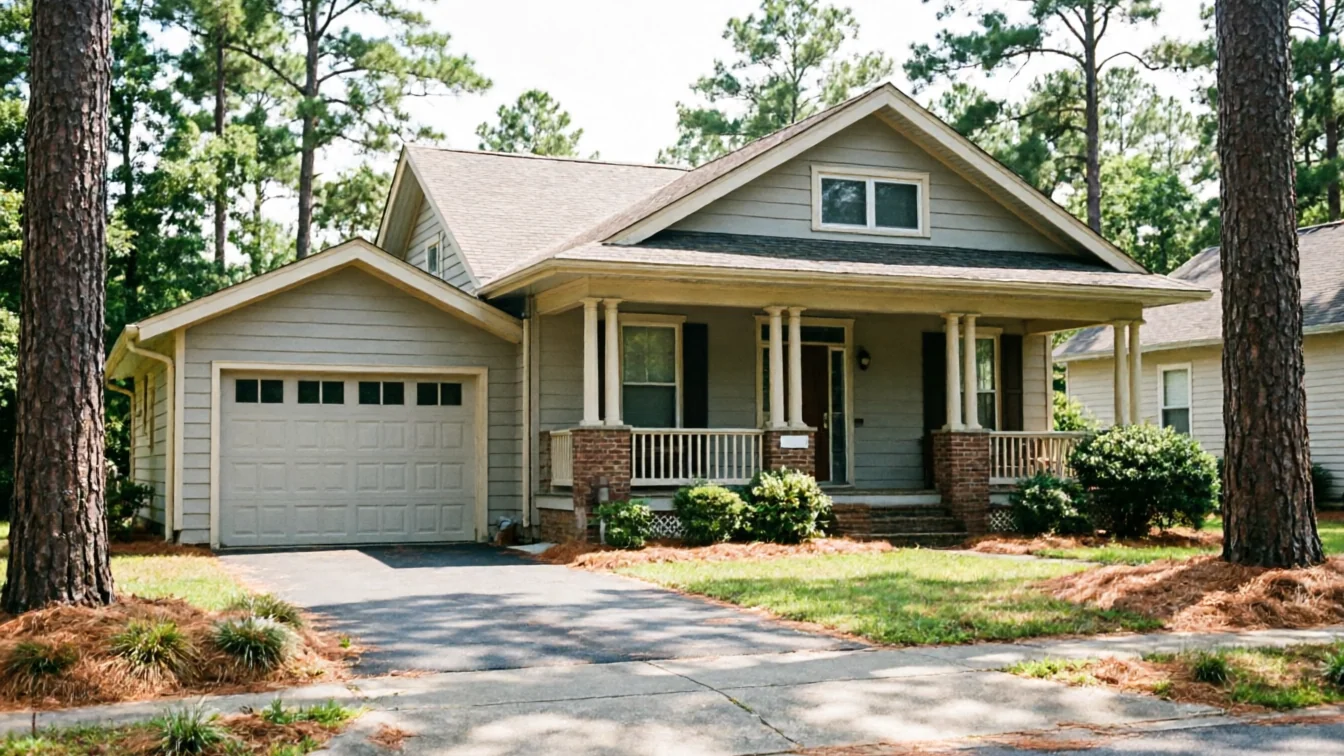
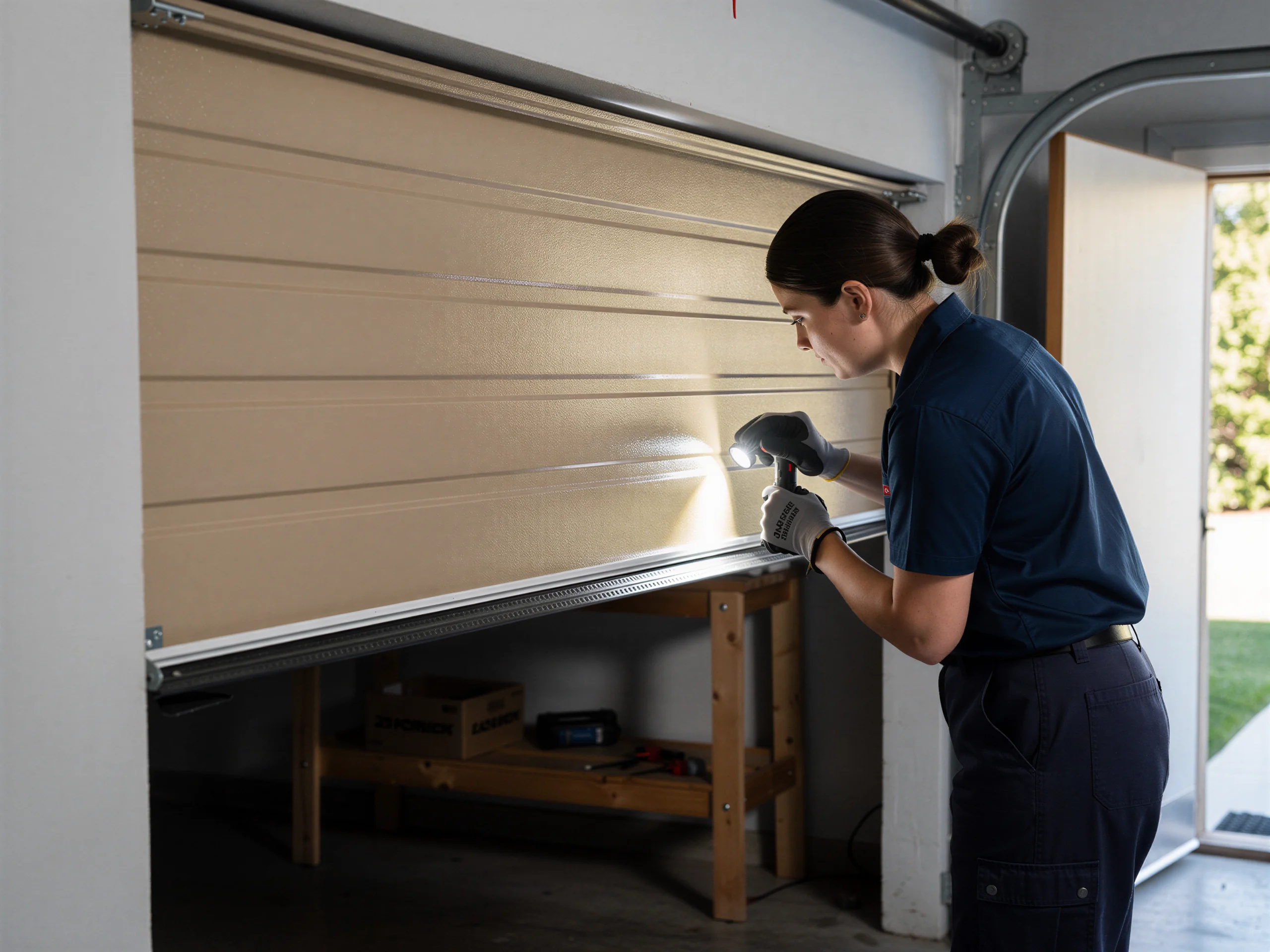
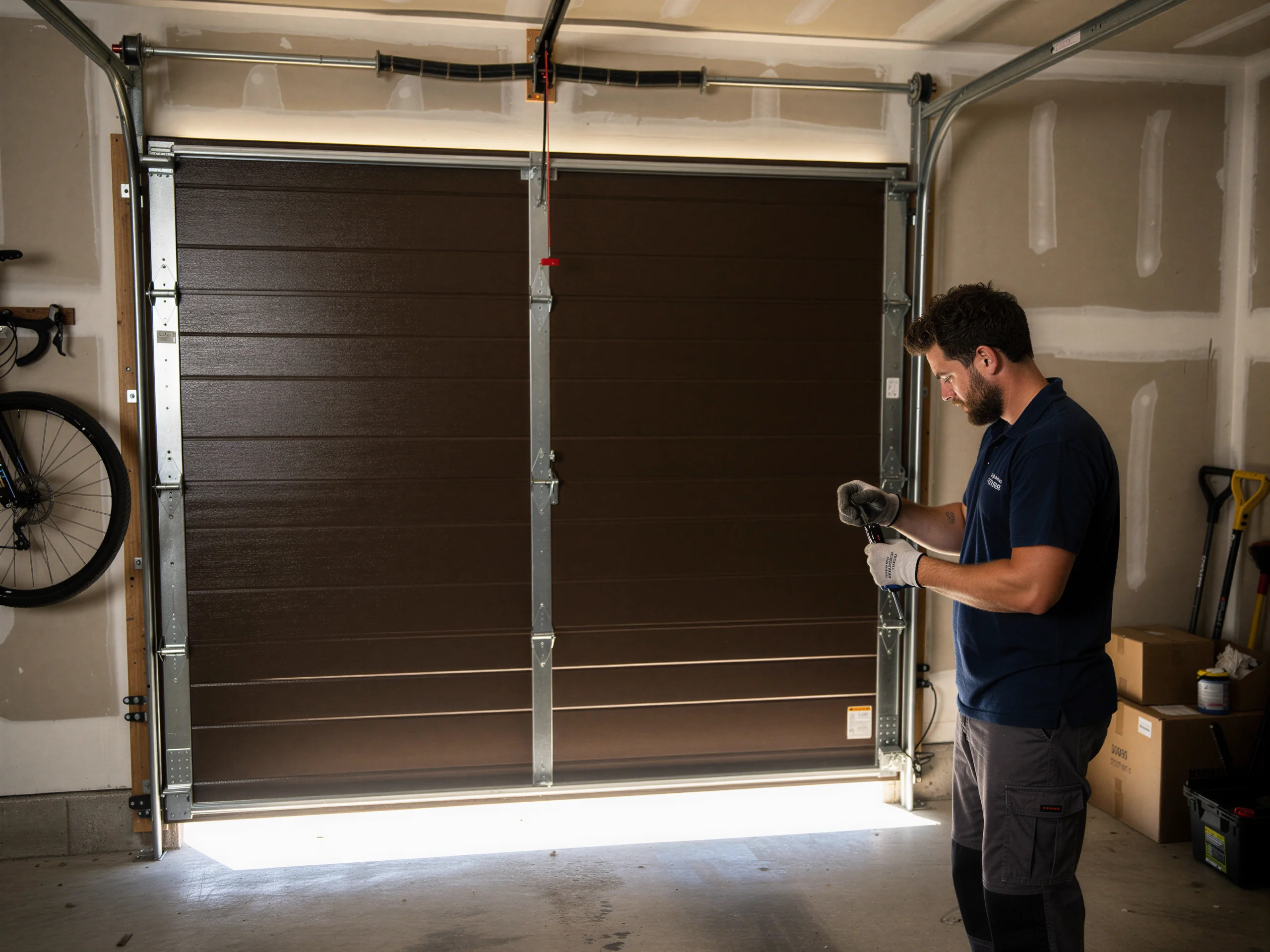
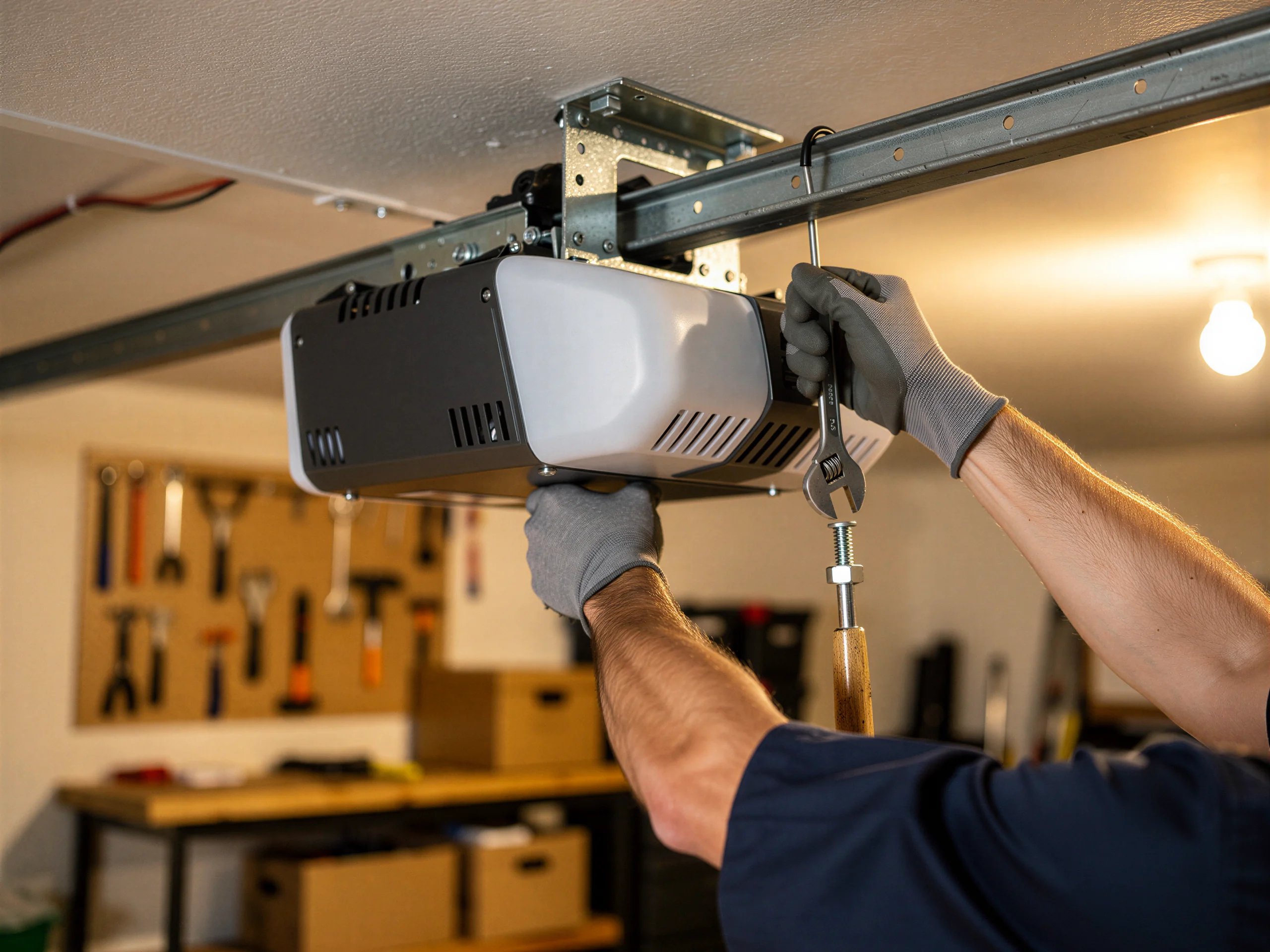
Auburn Garage Door Pros travels 6 miles to Loachapoka, AL, where 1974-era homes bring torsion spring and opener failures our trucks are equipped to handle.
What we do here
Response times
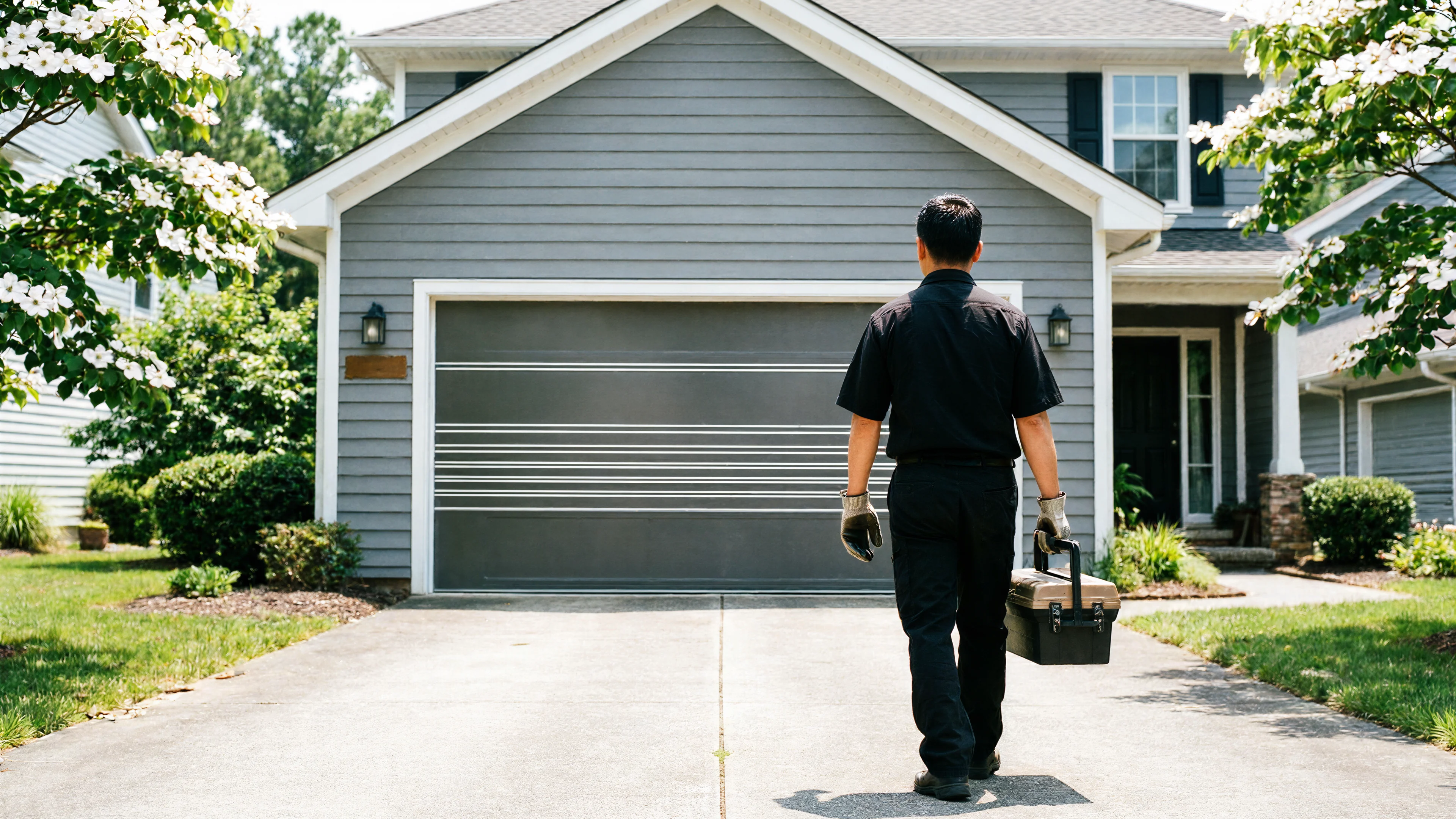
We don't keep a truck parked in Loachapoka. The drive out from Auburn is short, about 6 miles, but it's still a drive, and that changes how we schedule the day.
If you call in the morning, you're not competing with a backed-up local queue the way a bigger town might have - we're routing from one base, and Loachapoka is one stop on that route.
The honest limitation: if your door needs a part we don't carry on the truck - a specific torsion spring wind for an older wood door, say - that part may need to be ordered, and ordering from Auburn adds a day or two versus something we stock for the newer builds closer in.
We'd rather tell you that up front than promise a same-visit fix and miss it. We don't advertise a Loachapoka depot or a guaranteed response window, because we don't have either. What we have is a crew that drives this stretch of county road regularly enough to know it's a short, easy run, and that matters more for scheduling flexibility than for speed on any single call.
Common jobs
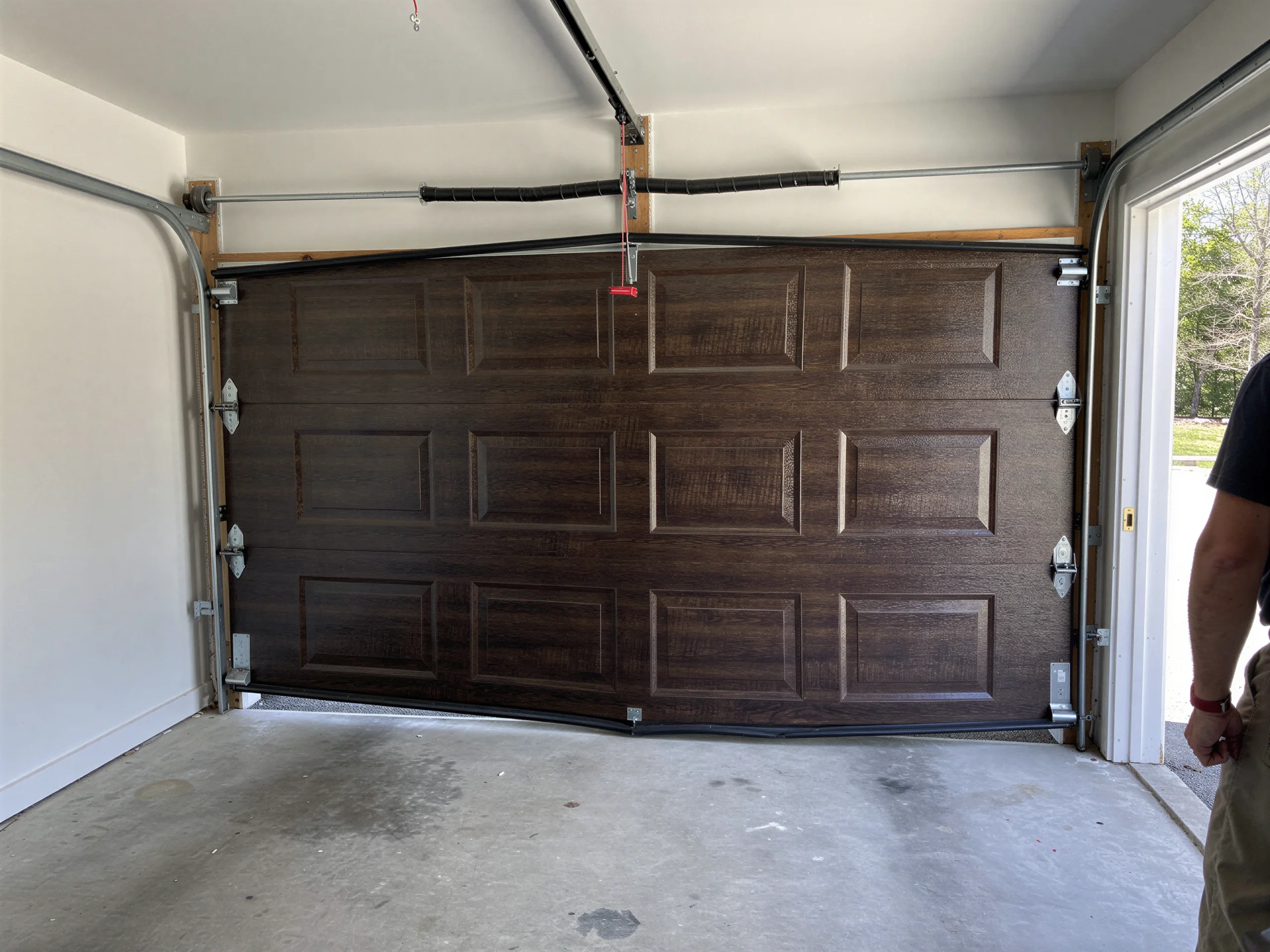
The calls from this side of the county skew older than what we see on newer Auburn streets. Homes here tend to date to around 1974, which means a lot of original torsion spring setups are now pushing fifty years old - well past the wind-cycle life any spring is rated for, no matter how well the door was treated.
We also see openers that were swapped once, maybe twice, since the house was built, but mounted on hardware that never got updated to match. A newer opener bolted to an old bracket or an undersized rail is a common mismatch, and it shows up as grinding, slow travel, or a door that reverses for no clear reason.
The climate here is mild with occasional freeze, so we're not fighting the kind of deep-freeze lockups you'd get farther north, but a cold morning can still tighten up an already-tired spring enough to snap it.
That's usually the call: a spring that's been fine for years lets go on the one cold snap of the season. It's not bad luck so much as age catching up on a specific morning.
Local housing
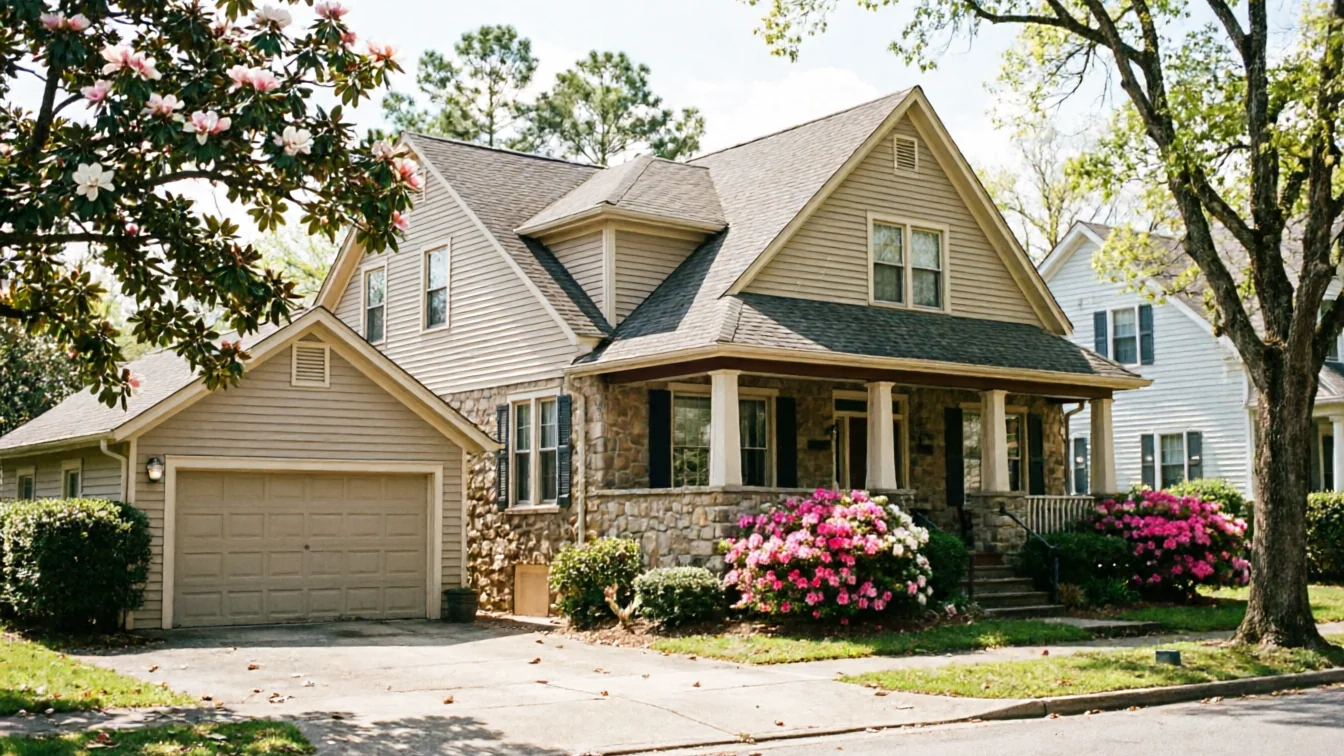
Loachapoka itself is small - around 100 households by the count we work from - and the typical home here was built close to 1974. That's a narrower window than the broader service area, which runs 1960s through 1970s across four named pockets, with a median build year closer to 1975 overall. Loachapoka sits right in that range, maybe a touch newer on average.
Median household income here runs around $47,250, a bit above the $42,705 median across the full service area. That gap doesn't change what fails on a door, but it does tend to show up in what people choose to do about it - more owners here opt to replace an aging door outright rather than keep patching the same spring or track.
Across the whole service area we're covering roughly 1,829 owner-occupied houses out of about 3,952 households total, so Loachapoka's 100 households are a small slice of that. Small town, but the housing stock tells a consistent story: doors and openers from the same decade, aging out together.
Door impact
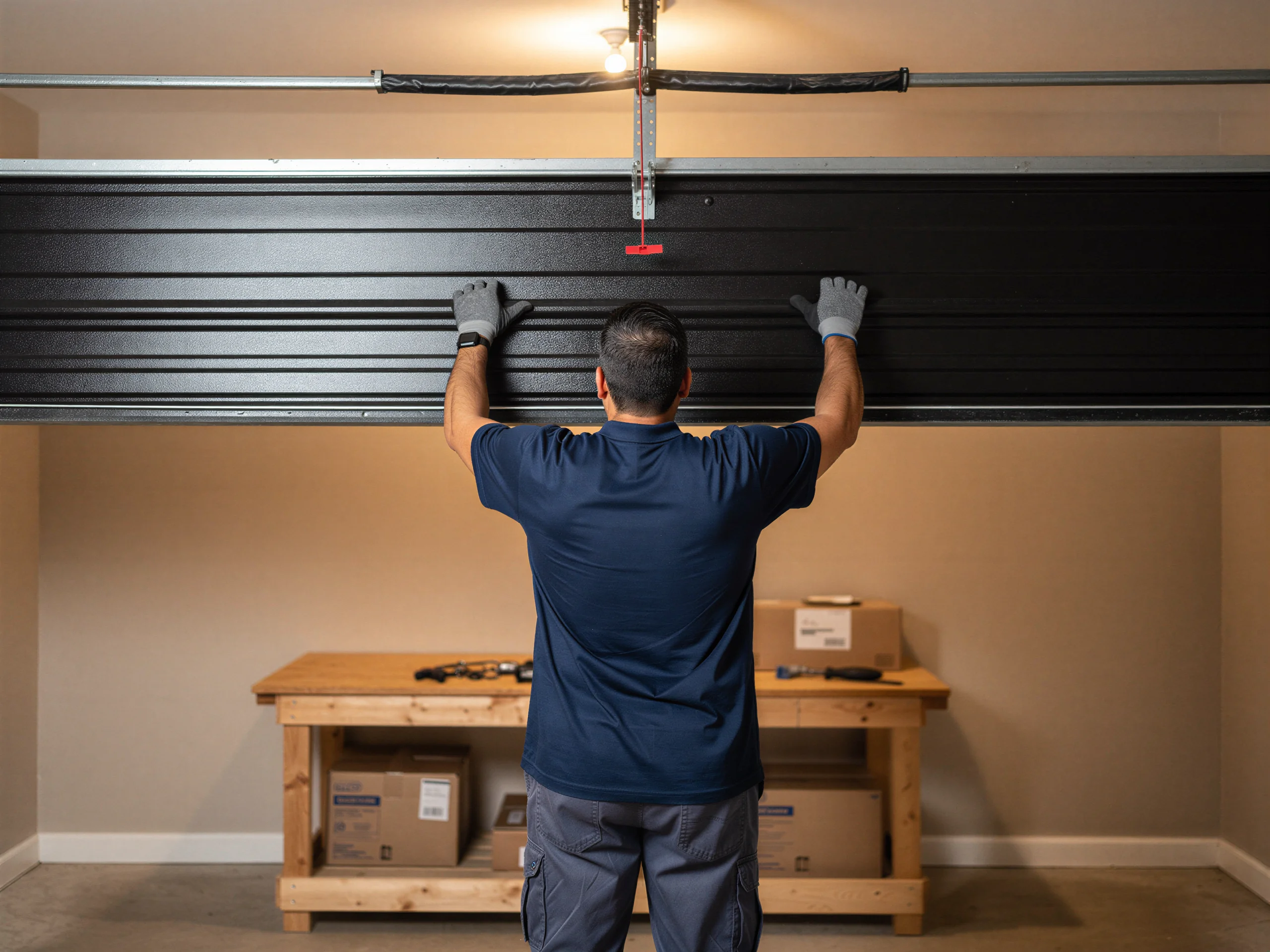
A door built or installed around 1974 is very likely a single-layer steel panel door, no insulation core, on a torsion spring sized for that panel weight - not for a heavier insulated replacement someone might have swapped in later without resizing the spring. That mismatch is one of the more common things we find once we're actually looking at the hardware.
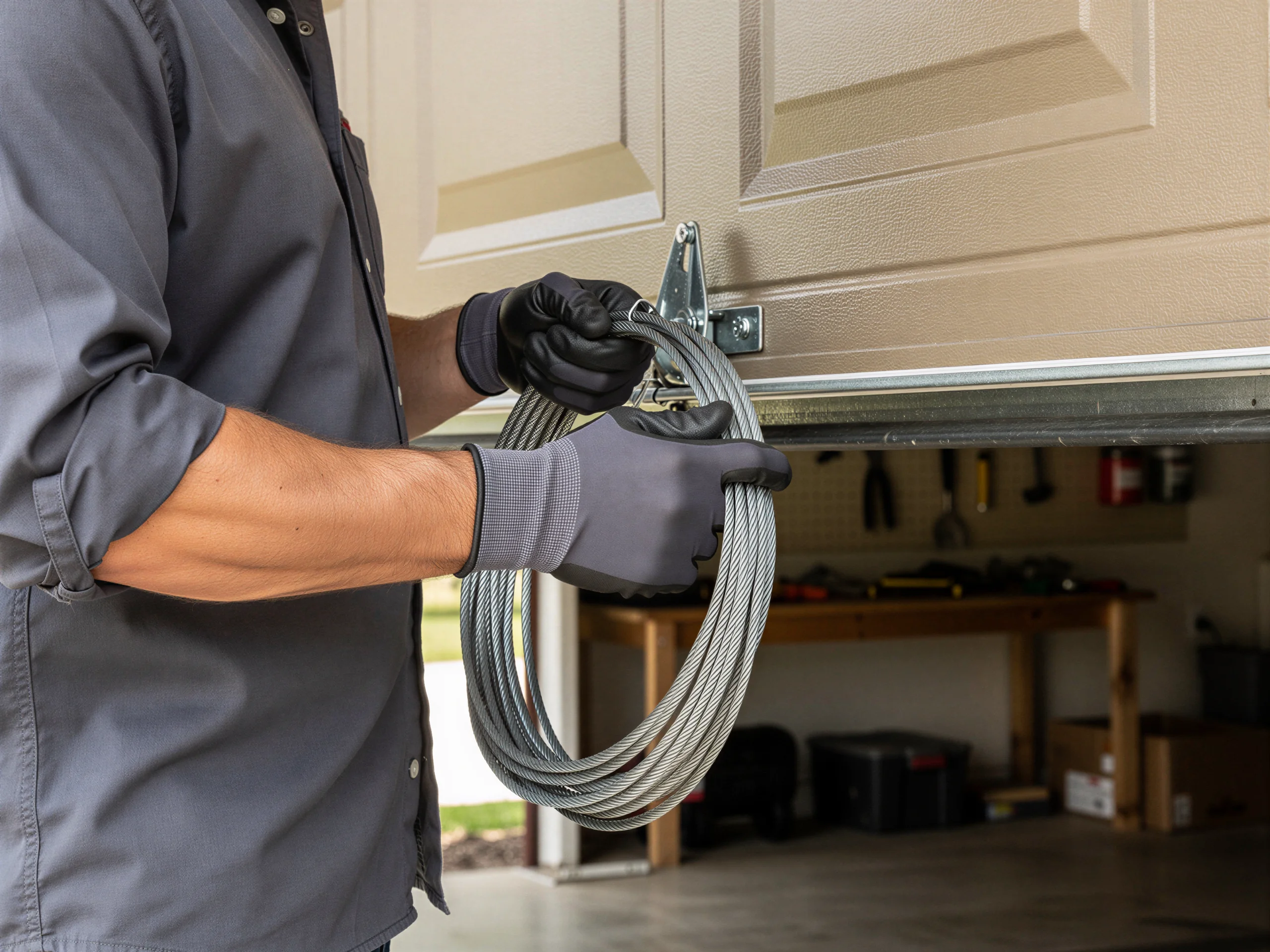
Some of these original setups used extension springs instead of torsion, mounted along the horizontal track rather than over the header. Those systems age differently - the springs stretch and fatigue rather than fail in one clean break, so the door gets progressively harder to lift for weeks before it finally gives out. If your door's been feeling heavier by the month, that's usually what's going on.
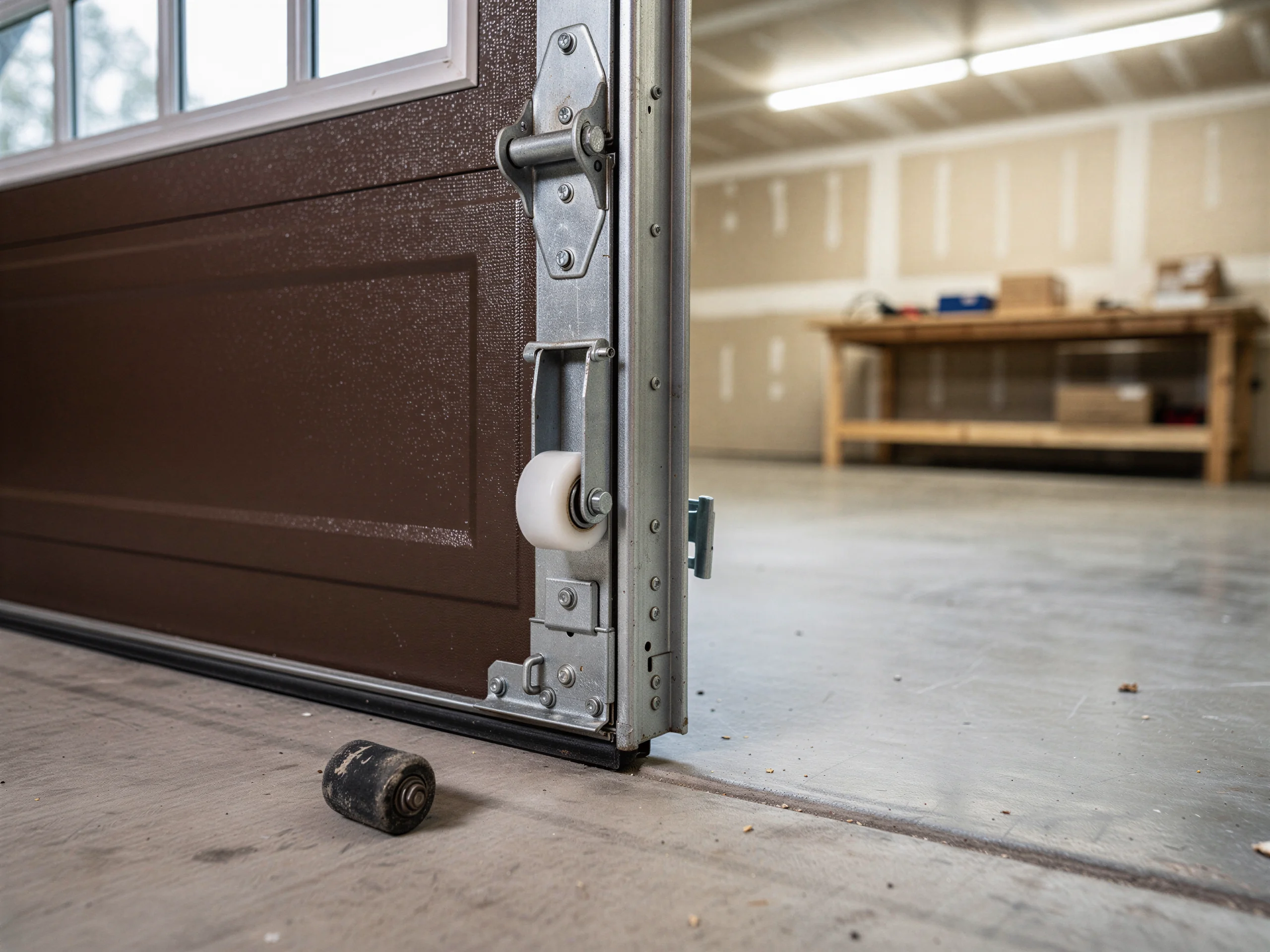
Rollers on doors this age are almost always the original steel, dry, and worn oval instead of round, which is why the door sounds like it's grinding even when the spring and opener are both fine. We can't promise every 1974-era door is an easy fix - sometimes the track is bent enough, or the panel rusted enough at the bottom, that replacement is the better call than another repair.
Service areas
Questions
No. We run out of Auburn and drive out to Loachapoka as calls come in - it's about a 6-mile trip. We don't keep a local depot or promise a guaranteed arrival window specific to this area, but it's a short, regular route for us.
Spring size is matched to door weight and panel style, not just door dimensions. A single-layer steel panel from the mid-70s weighs differently than an insulated replacement door, so the original torsion spring often doesn't fit a newer panel without resizing.
The climate here is mild with occasional freeze, not a deep-freeze climate, so ice rarely locks a track solid. The real risk is an already-fatigued spring, often decades old, finally snapping during one of the colder mornings of the season.
If the track and bottom panel are solid, a spring or roller repair is usually worth it. If the panel's rusted through at the bottom or the track is visibly bent, replacement tends to cost less over time than repeated patch repairs - we'll tell you honestly which situation you're in.
Ready when you are
Auburn Garage Door Pros repairs and installs garage doors, springs and openers in Auburn, AL and the surrounding area.