Notasulga, Auburn
Garage Door Maintenance for Notasulga Homes
Notasulga has about 418 households and mostly mid-1960s homes. See what regular garage door maintenance looks like for this size town, 11 miles from Auburn.
The Cost of This Job
Notasulga is a small town, around 418 households, which means the maintenance work here is mostly scattered single calls rather than a block-by-block route. We're not stopping by because we happen to be two doors down; we're making the 11-mile drive out from Auburn for your door specifically. That doesn't change what the job costs once we're there, but it does mean maintenance visits get batched sensibly rather than squeezed in as a quick add-on. Most of what we do on a standard visit is the same no matter the town: lubricate rollers and hinges, check spring tension, tighten loose hardware, inspect cables for fraying, and test the auto-reverse safety sensors. What differs here is what we're likely to find, given the age of the housing stock in this part of the service area. We'll flag anything that needs replacing on the spot rather than make a second trip unless parts have to be ordered.
Why It Happens Here
Homes in Notasulga were mostly built around 1966, which lines up with the broader pattern across this service area of houses going up between 1966 and 1980. A door and opener from that era, or a replacement unit installed decades later on the original track and framing, tends to fail in specific ways: torsion springs that have outlived their cycle count, tracks that have shifted slightly as the house has settled over fifty-plus years, and hardware that was never updated to match a heavier insulated door if one was swapped in later. The climate here is mild with some freeze risk, which isn't the extreme swings that crack hardware outright, but the freeze-thaw cycles still work on old lubricant and metal fatigue over the decades. None of this is dramatic. It's just what you'd expect from a door system that's been quietly doing its job on original or near-original parts since before most warranties would have covered it.
Can You Do This Yourself
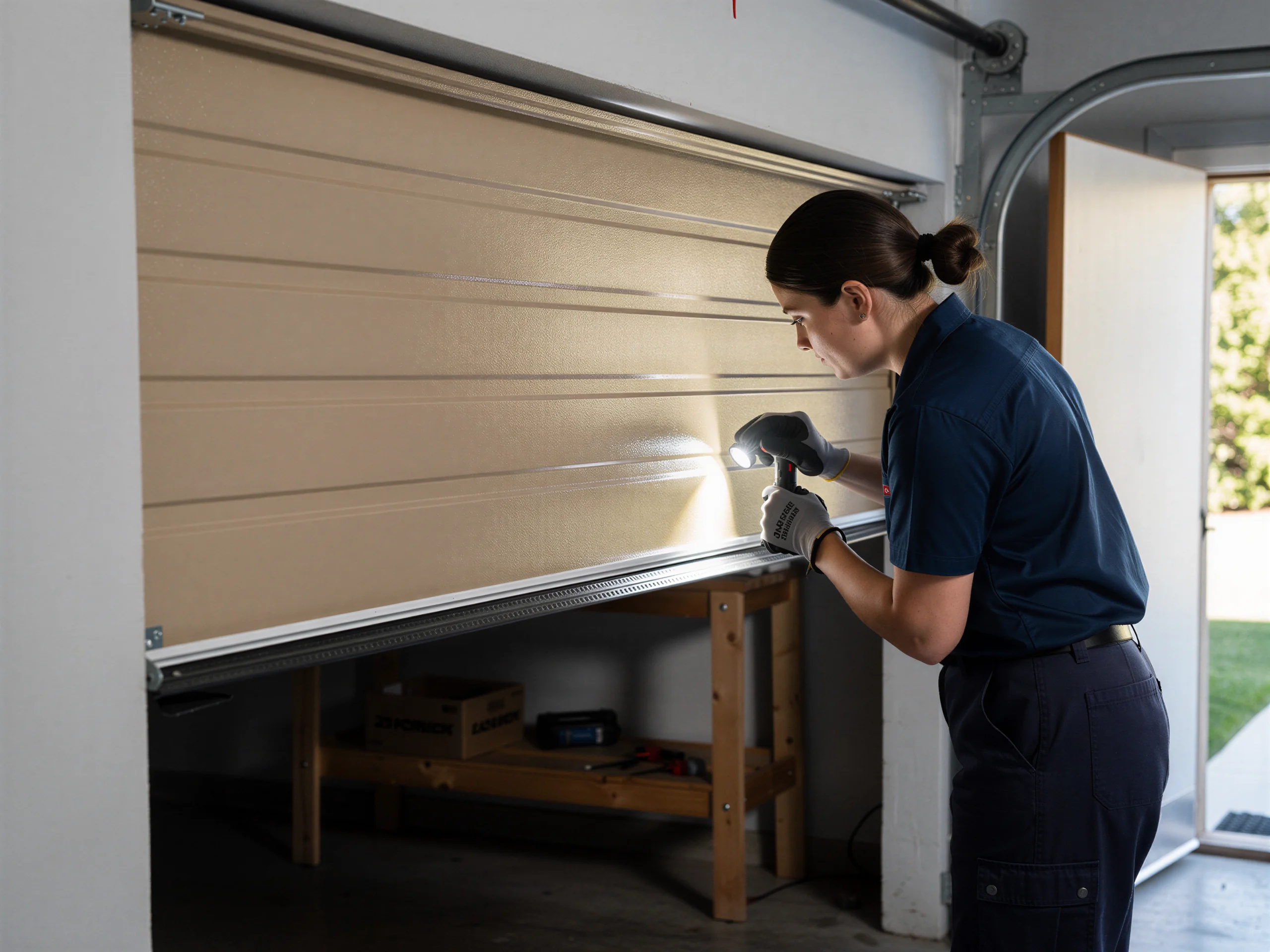
A lot of basic upkeep is fine to do on your own: wiping down tracks, checking that the door is balanced by disconnecting the opener and lifting it halfway by hand to see if it holds, and visually checking cables for fraying.
Torsion spring hands-off
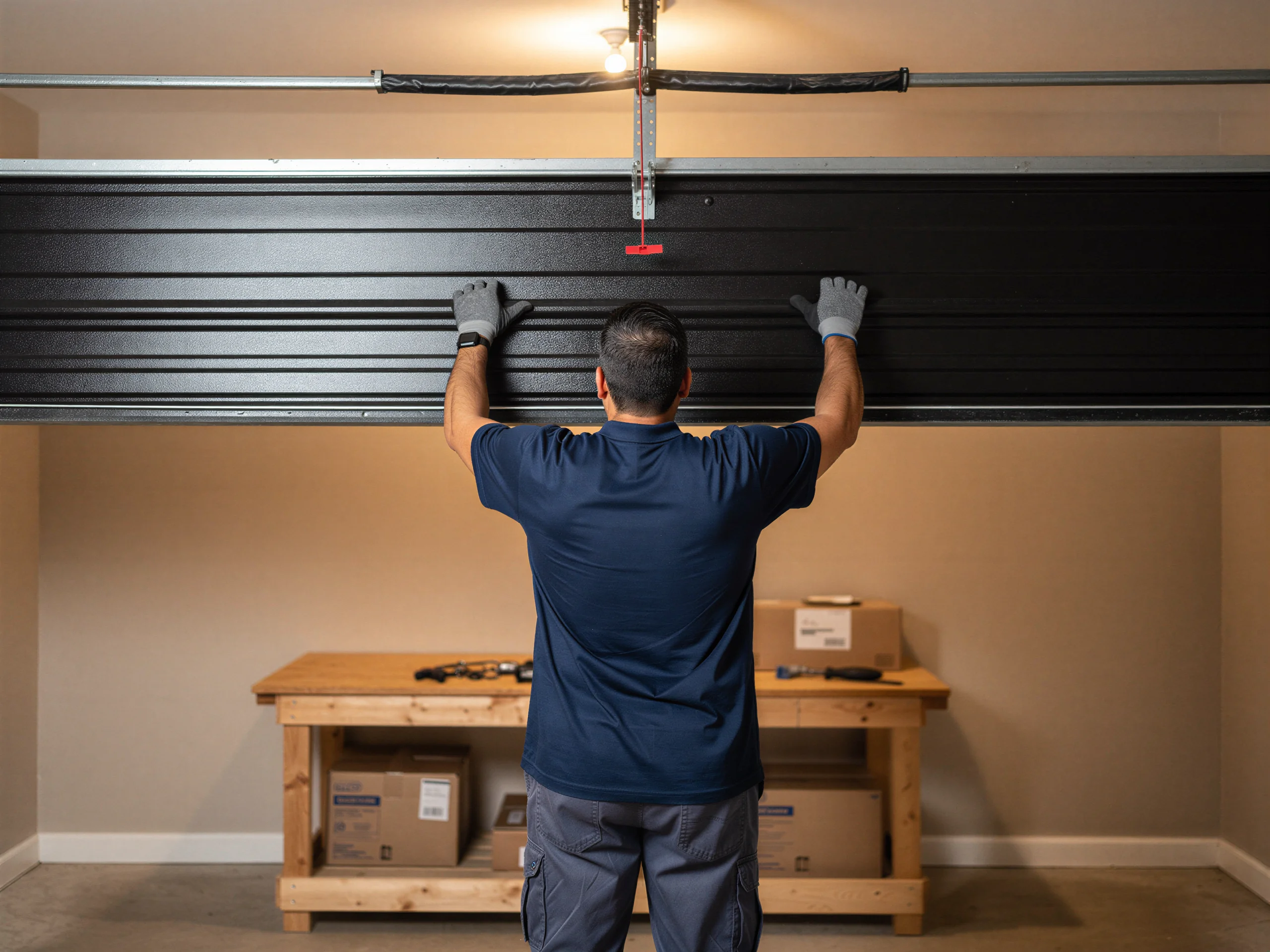
What you shouldn't touch is the torsion spring itself - the tension stored in those springs can cause serious injury, and on a door this age, the spring and the hardware around it may not match newer parts exactly.
Heavy lift signals fatigue
If your door is noticeably harder to lift by hand than it used to be, that's a spring losing tension, and it's worth a call rather than a DIY fix. We'll say plainly that we don't do opener-only software or smart-home app troubleshooting; that's a manufacturer support call, not a maintenance visit.
How Long You Are Without the Door
A standard maintenance visit doesn't take your door out of service at all - we work on it a section at a time while it's still operable for most of the visit. If we find something during the inspection that needs replacing, like a spring or a cable, that's a separate repair and the door may be down for that portion of the visit until the part is swapped. Because we're coming from Auburn rather than a local depot, we don't carry every part for every job in the truck at all times, so if something unusual turns up - an older style opener part, for instance - we'll tell you honestly if it needs to be ordered rather than installed that day.
Parts We Carry
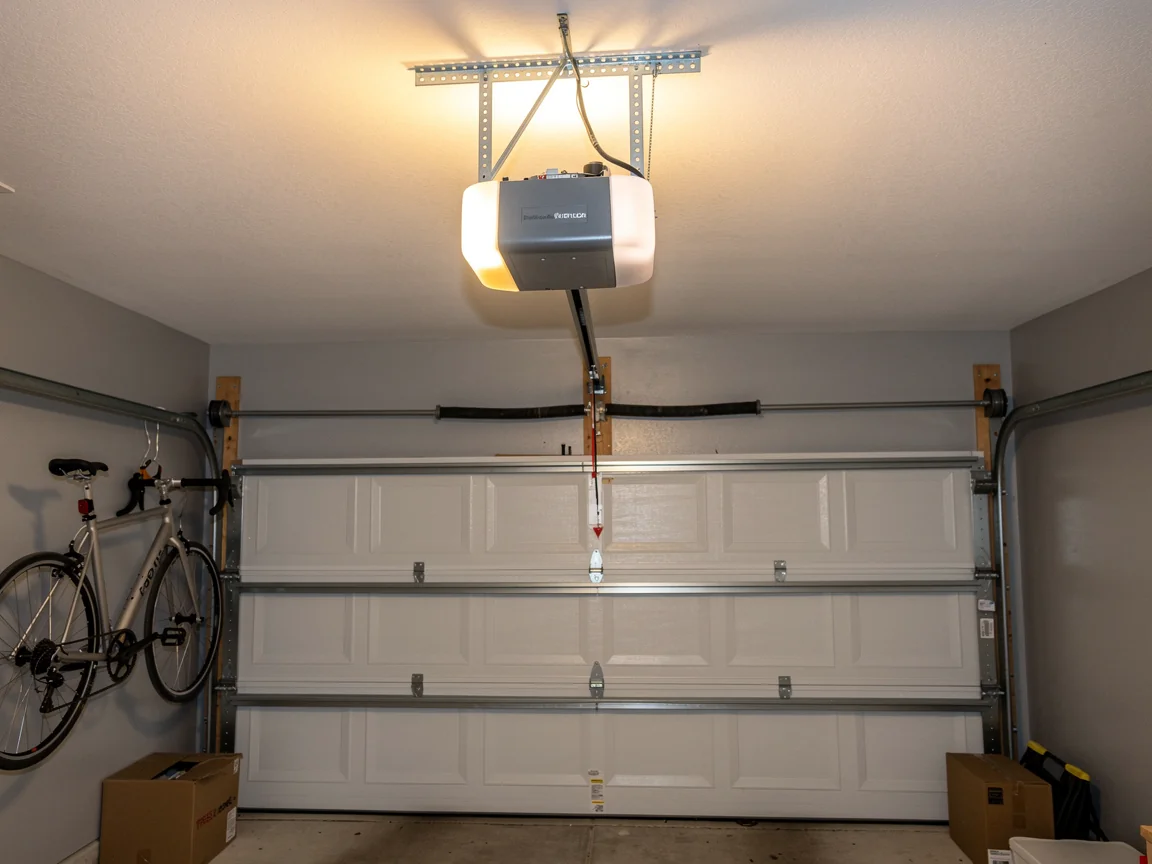
We stock the parts that fail most often on doors from the 1966-1980 era that makes up most of this area's housing: standard torsion springs in common sizes, rollers, hinges, and cable sets. Opener parts are more hit-or-miss since models vary more than door hardware does, especially if a Notasulga homeowner has replaced the opener once or twice since the house was built but kept the original door and track. If we show up and the part isn't something we carry on the truck, we'll tell you straight and get it ordered rather than pad the invoice with a workaround that won't last.
Questions
Common questions
How often should I get my garage door serviced in Notasulga?
Once a year is reasonable for most doors, twice a year if yours gets heavy daily use. Given how much of the housing stock here dates to the mid-1960s, an annual check catches spring wear and hardware fatigue before it turns into a door that won't open.
Do you have a branch in Notasulga?
No. We're based in Auburn and drive out to Notasulga, about 11 miles, for service calls. There's no local depot here, so parts not carried on the truck may need to be ordered in rather than installed the same day.
Is it worth maintaining an old door instead of replacing it?
Often yes, especially if the track and framing are sound. A lot of what fails on an older door - springs, rollers, cables - is routine maintenance, not a sign the whole unit needs replacing. We'll tell you honestly if we think a repair isn't worth it.
Explore more
More Services in Notasulga
Cable Repair
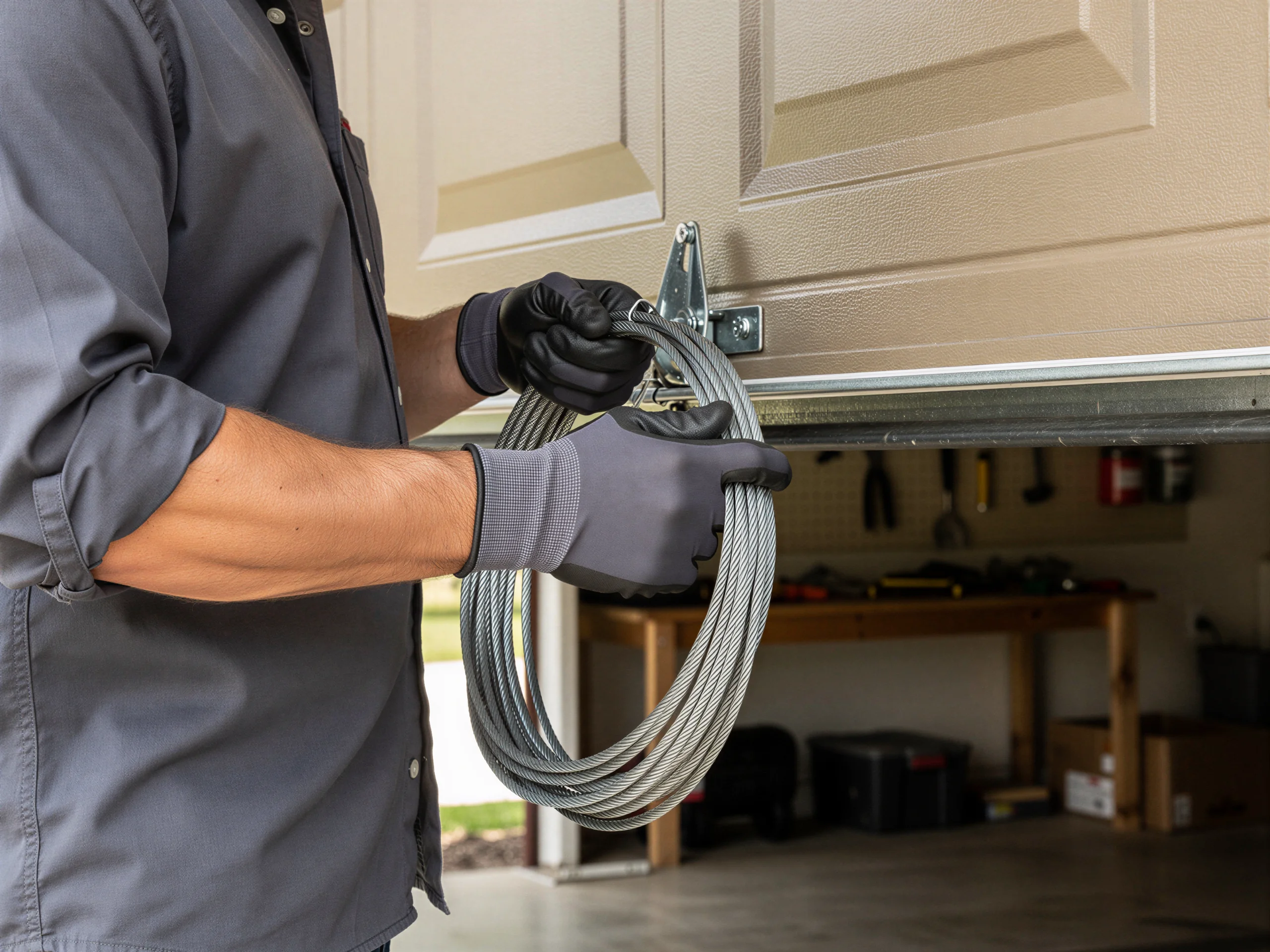
Cable repair for Notasulga homes built mostly in the mid-1960s, serviced from Auburn 11 miles away. Learn more →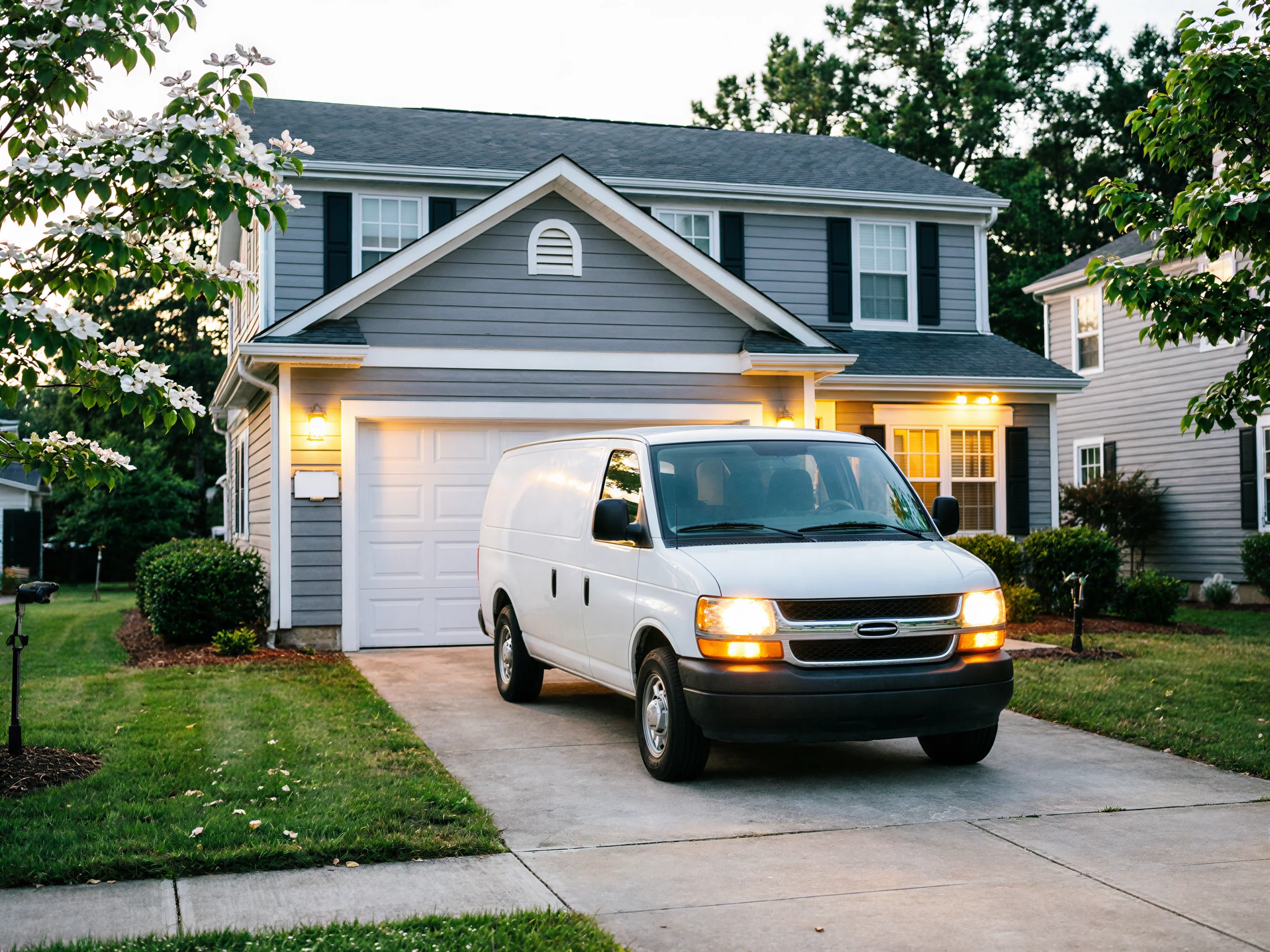
Garage Door Repair
Garage door repair for Notasulga, AL homes built around 1966, where original torsion and extension spring setups are now reaching the end of their service life. Learn more →
Garage Door Service
Garage door repair and parts for Notasulga's 1966-era housing stock, serviced from Auburn, 11 miles out. Learn more →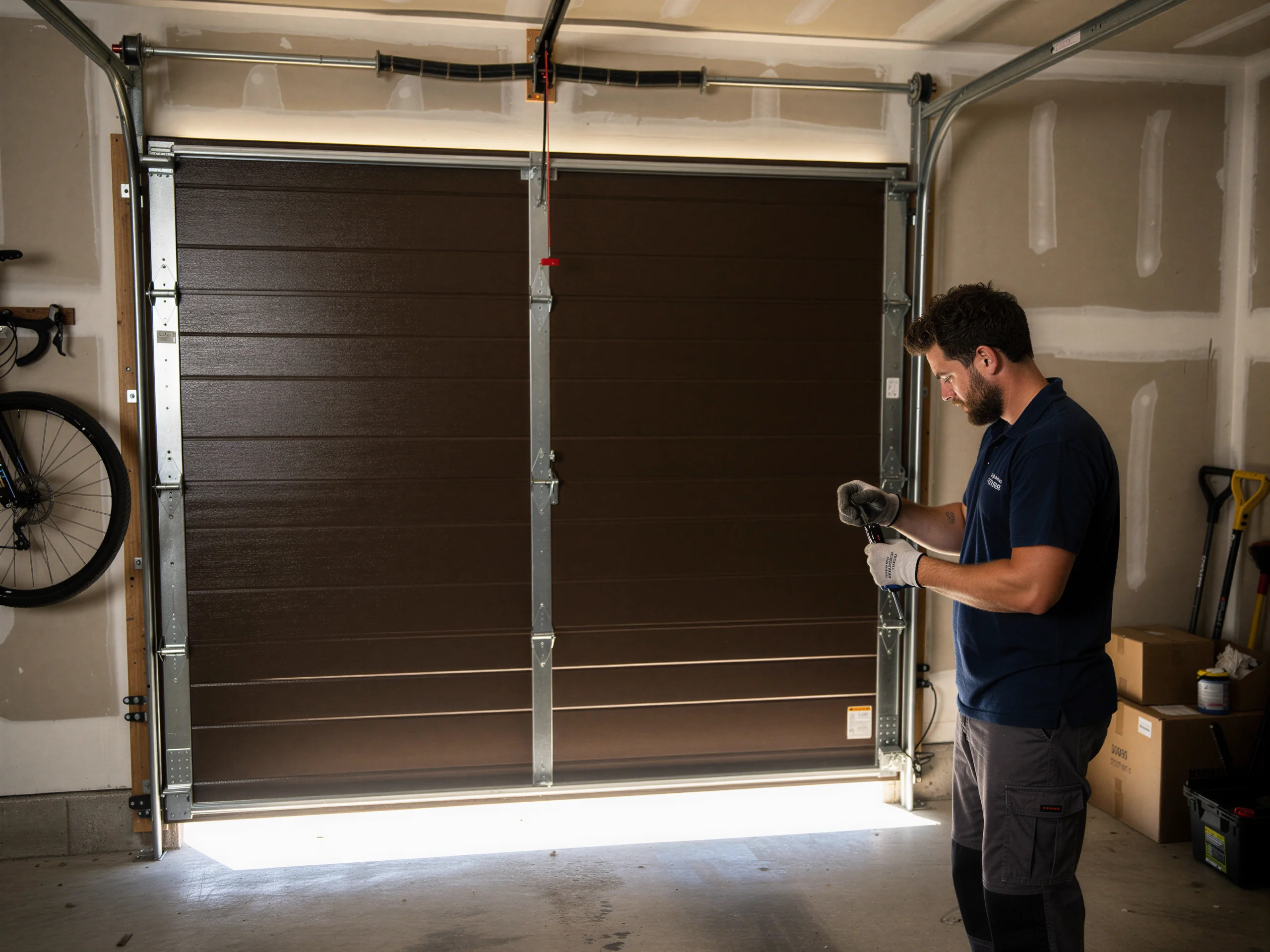
New Door Installation
New garage door installation in Notasulga, AL for homes built around 1966. Learn more →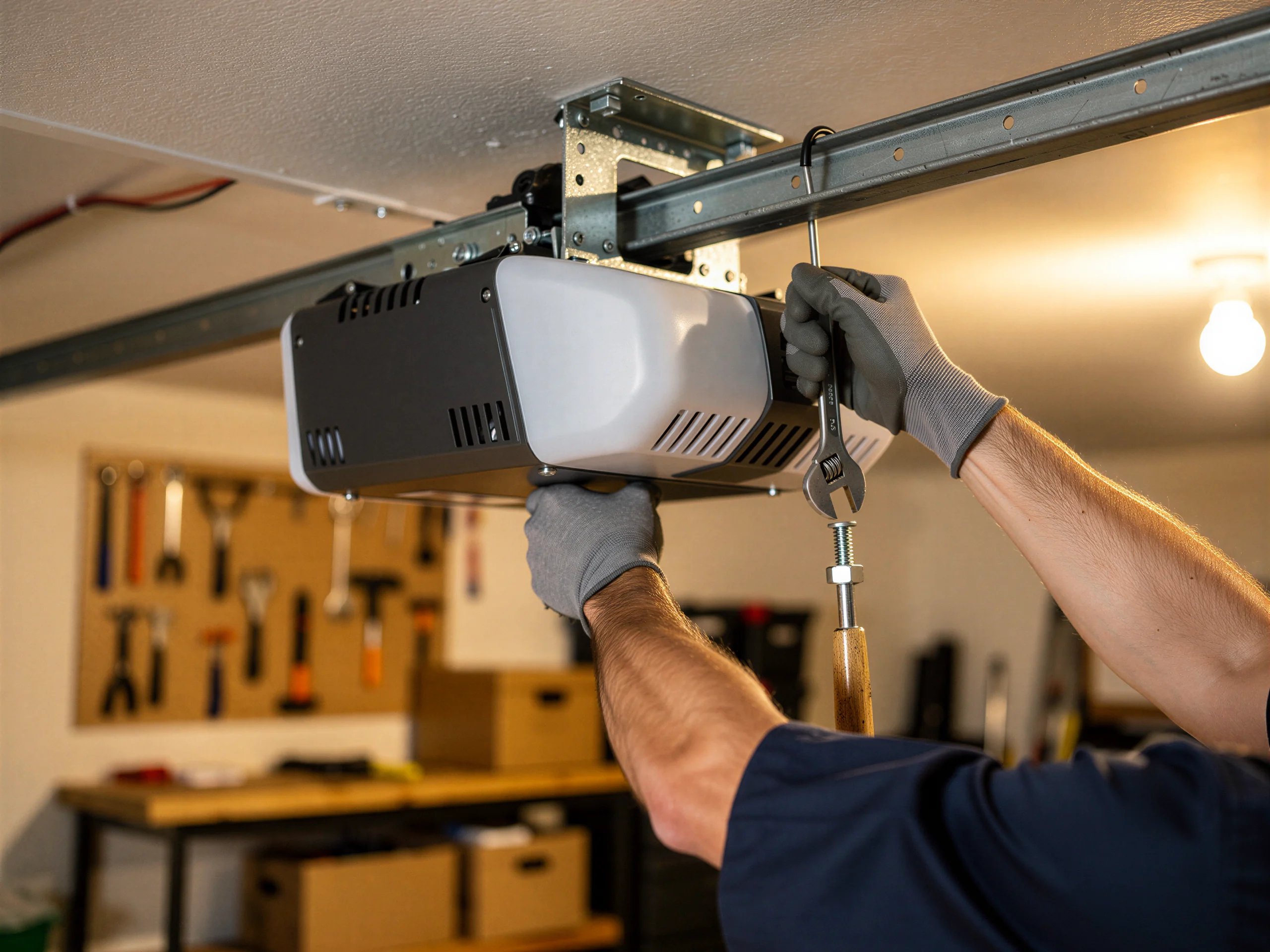
Opener Installation
Opener installation for Notasulga homes built mostly in the mid-1960s, serviced from Auburn 11 miles away. Learn more →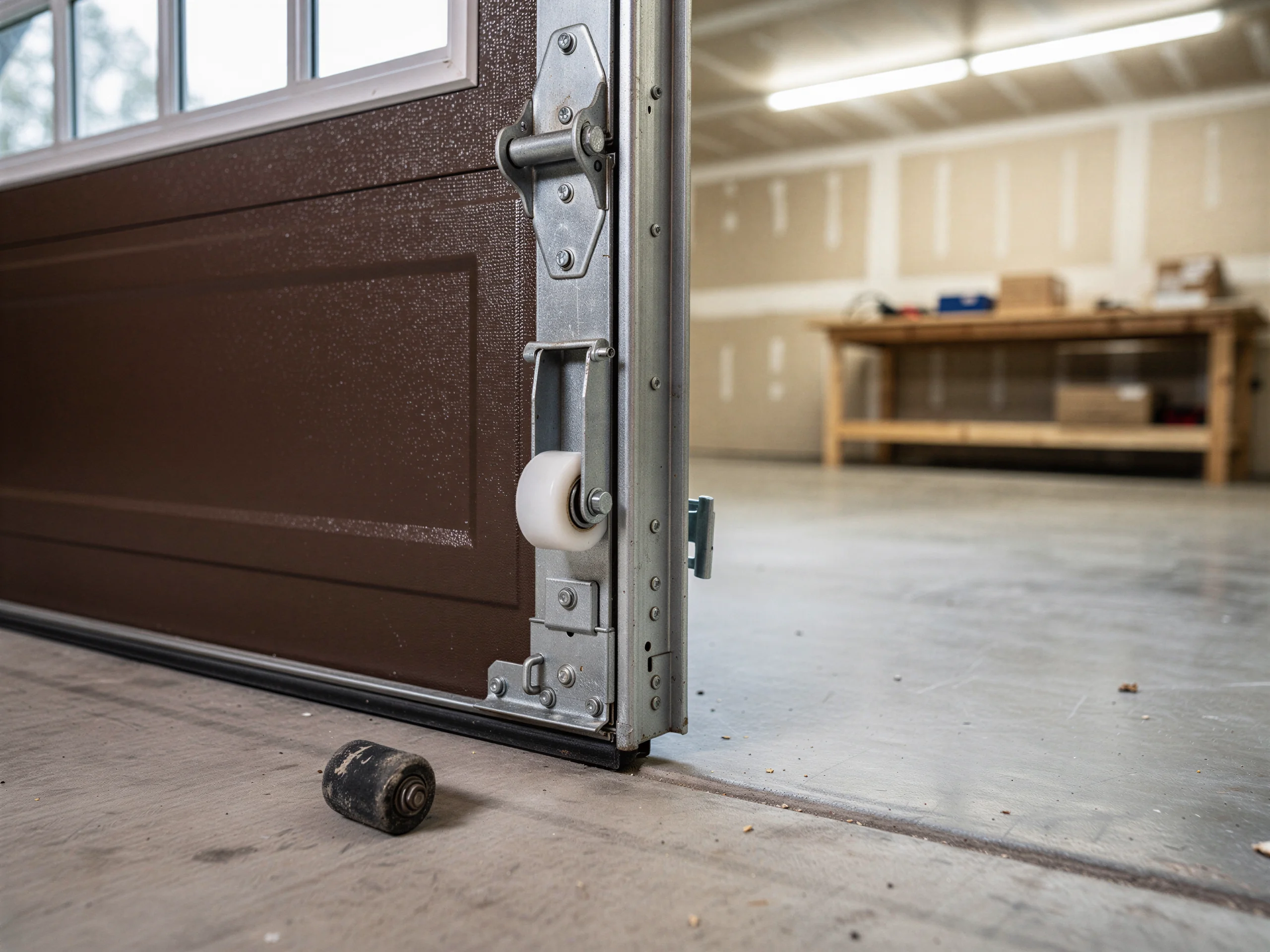
Roller Replacement
Notasulga's housing sits at the early edge of the area's 1966-1980 build range, meaning more original steel rollers. Learn more →Ready when you are
Need a garage door sorted in Auburn?
Auburn Garage Door Pros repairs and installs garage doors, springs and openers in Auburn, AL and the surrounding area.