Tuskegee, Auburn
Garage Door Repair for Tuskegee's 1970s-Era Doors
Garage door repair for Tuskegee's mid-1970s housing stock. Original steel doors, torsion springs past their cycle life, and what a trip from Auburn costs.
How to Book
We run this job out of Auburn, 17 miles up the road, so Tuskegee calls go on the same route as the rest of the service area rather than a dedicated local crew.
No depot, second visit
That's worth knowing before you call: we don't keep a branch or a depot in town, which means parts for an odd-sized door sometimes mean we diagnose on the first visit and come back with the part on the second. For a common torsion spring or a standard roller, we often carry what we need. For an original 1970s-width panel or a discontinued track bracket, expect a short lead time.
Share age and type
Tell us the door's approximate age and whether it's a single or double door when you call - it saves a trip. You can see the rest of what we cover from Auburn on our main repair page, and check whether your part of the service area is on our route at the area page for Tuskegee.
Intake questions on symptoms
We'll ask what the door is doing (won't open, makes noise, stuck halfway) and whether anyone's tried to force it. That tells us whether to bring spring stock or opener parts, and whether it's safe to leave closed until we arrive. Links: /garage-door-repair-auburn-al, /areas/area/tuskegee/.
What Can Go Wrong
Most houses in Tuskegee went up around 1976, which puts the original garage door right at the tail end of the early steel sectional era - before foam insulation was standard and before manufacturers settled on today's common sizes.
Fifty-year-old torsion hardware
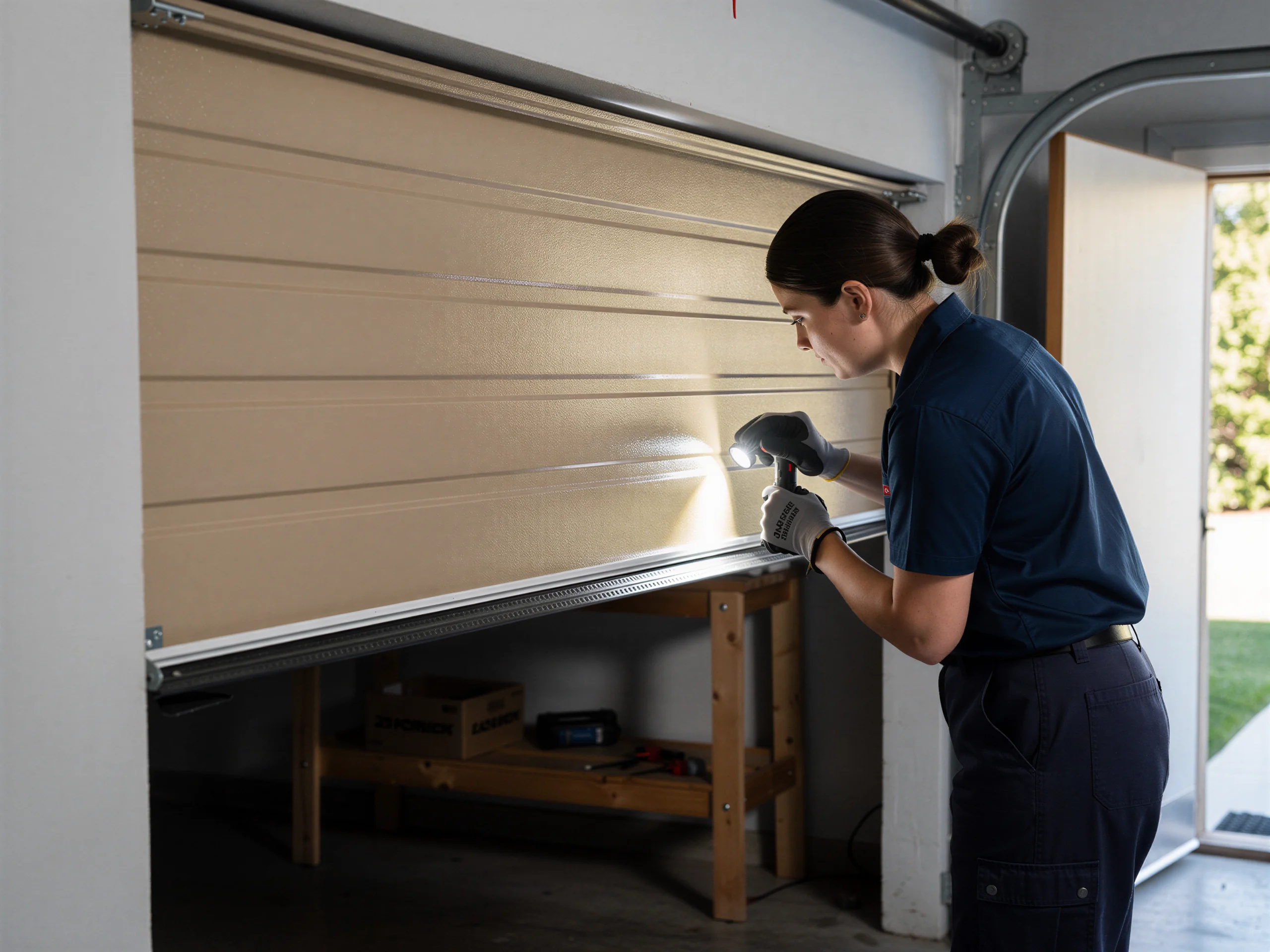
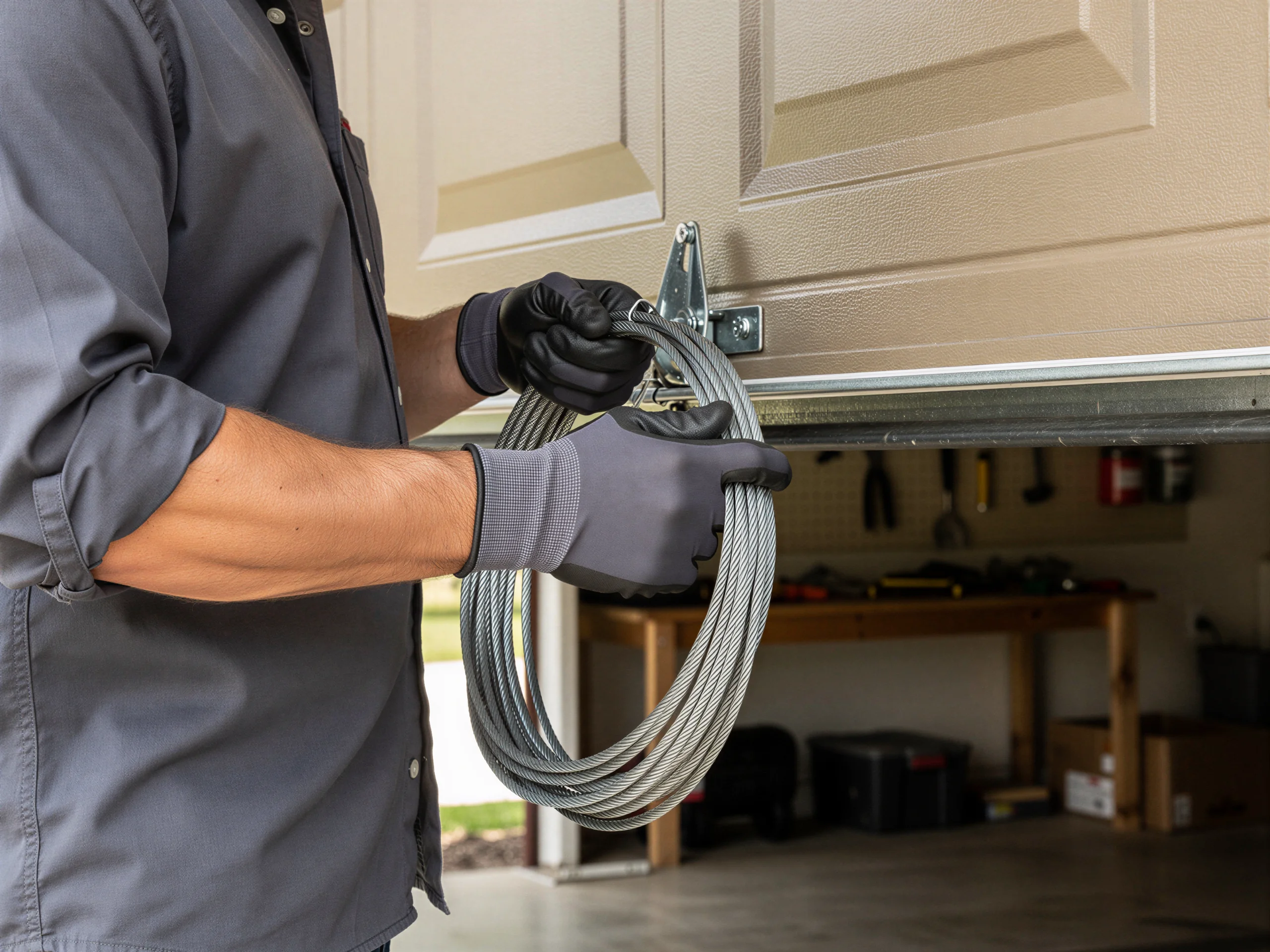
A lot of what we find is a single steel panel door or an early sectional, hung on galvanized torsion hardware that's now pushing fifty years of cycles. The springs on doors that age aren't rated for this many openings, and when they let go, they let go on a door that's heavier than a modern equivalent of the same size.
Steel rollers noisy
Rollers on these doors are often steel, not nylon, which means more noise and more wear on the track over time. Openers, where they exist at all on a door this old, tend to be later additions bolted onto original hardware that was never engineered for a motor pulling against it.
Tracks bent by impacts
We also see tracks bent from decades of minor impacts - a bumper, a bike, a mower - that never got straightened because the door still closed. It still closes until the day it doesn't.
The Cost of This Job
With a median household income of $38,160 in Tuskegee - noticeably below the roughly $42,705 median across the rest of the service area - the math on repair versus replacement matters more here than it does closer to Auburn. A torsion spring swap on an original steel door is usually the cheaper call and the right one if the panels and track are still sound. Replacing the whole door is a bigger number, and on a 1976-era opening it sometimes means a non-standard width that costs more to match than a modern size would.
We'll tell you straight when a door isn't worth fixing - a track bent badly enough, or a panel rusted through at the bottom, usually means the next repair is close behind this one, and you're better off putting the money into a new door instead of patching the old one twice.
How It Shows Up
On a door built around 1976, the failure usually isn't sudden so much as it's been building for months. A spring that's near the end of its life starts making a louder bang on opening before it snaps outright. A track that's slightly bent makes the door bind partway up, usually on the same side each time. Rollers past their life squeal on a door that used to be quiet.
Tuskegee's climate doesn't bring hard freezes, but the mild-with-occasional-freeze swings here still work on fifty-year-old steel and the caulking around an original frame, so doors that were fine all summer sometimes stick or rattle loose the first cold snap of the year. If your door's been doing any of this - a new sound, a new hesitation, a corner that drags - that's the window to call before it's a dead spring on a Sunday with the car stuck inside.
Questions
Common questions
Does Auburn Garage Door Pros have a crew based in Tuskegee?
No. We work out of Auburn and drive the 17 miles to Tuskegee for calls here, same as we do for the other towns on our route. That means scheduling a visit rather than same-hour walk-ins, and sometimes a second trip if a part for an older door isn't on the truck.
Why does my 1970s garage door make so much noise compared to a newer one?
Doors from that era commonly used steel rollers instead of nylon, and torsion springs rated for far fewer cycles than what's been asked of them by now. Add decades of minor track wear and you get the grinding and banging that a modern door, with nylon rollers and current spring ratings, doesn't produce.
Is it worth replacing an old door instead of repairing it?
Depends on the door. If the panels and track are sound and it's just a spring or roller, repair is almost always the cheaper and right call. If the track is bent badly or a panel's rusted through, you're likely looking at another repair soon after, and replacement ends up cheaper over time.
Explore more
More Services in Tuskegee
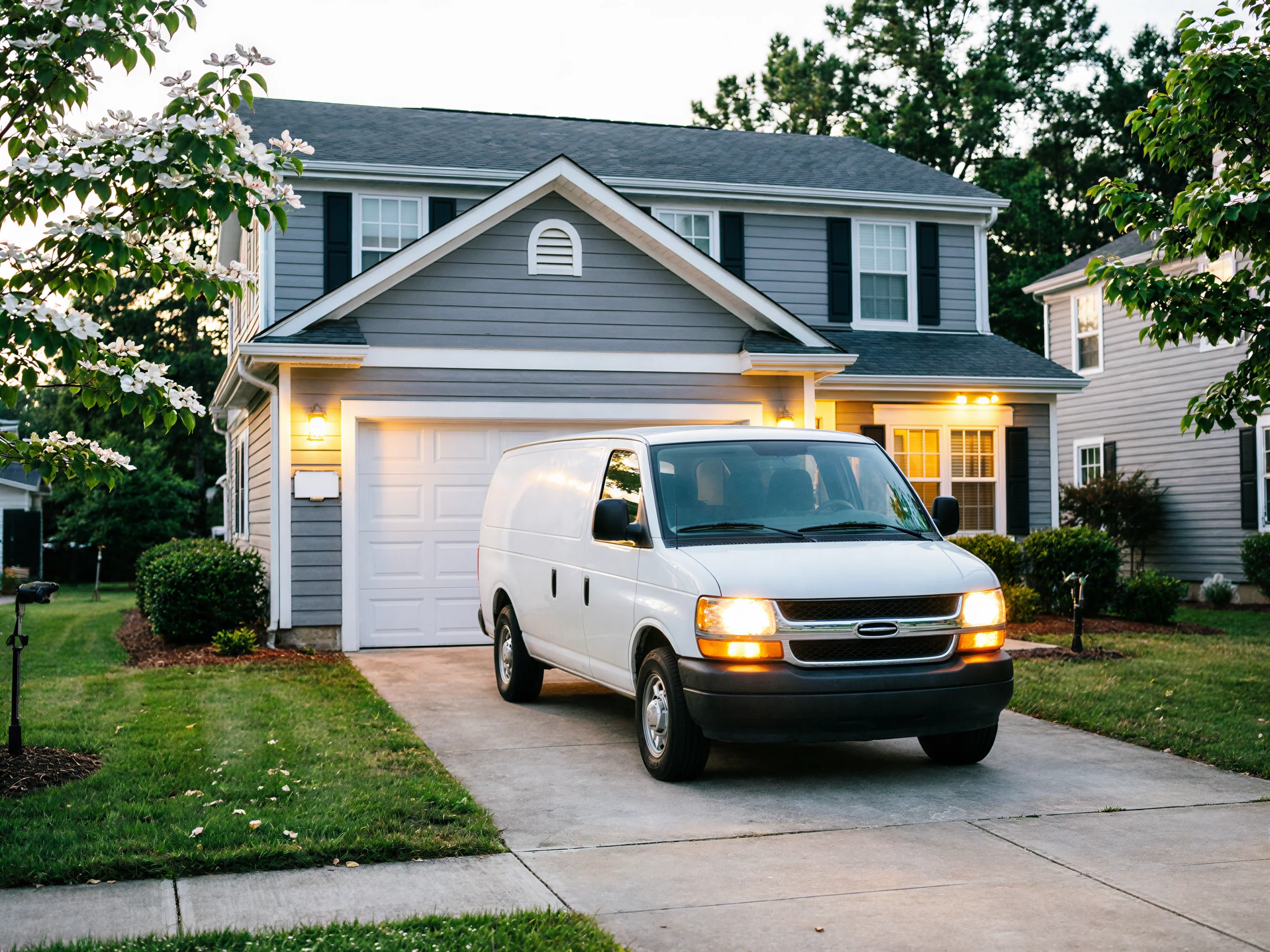
Garage Door Service
Tuskegee homes built around 1976 run older torsion and extension spring setups. Learn more →
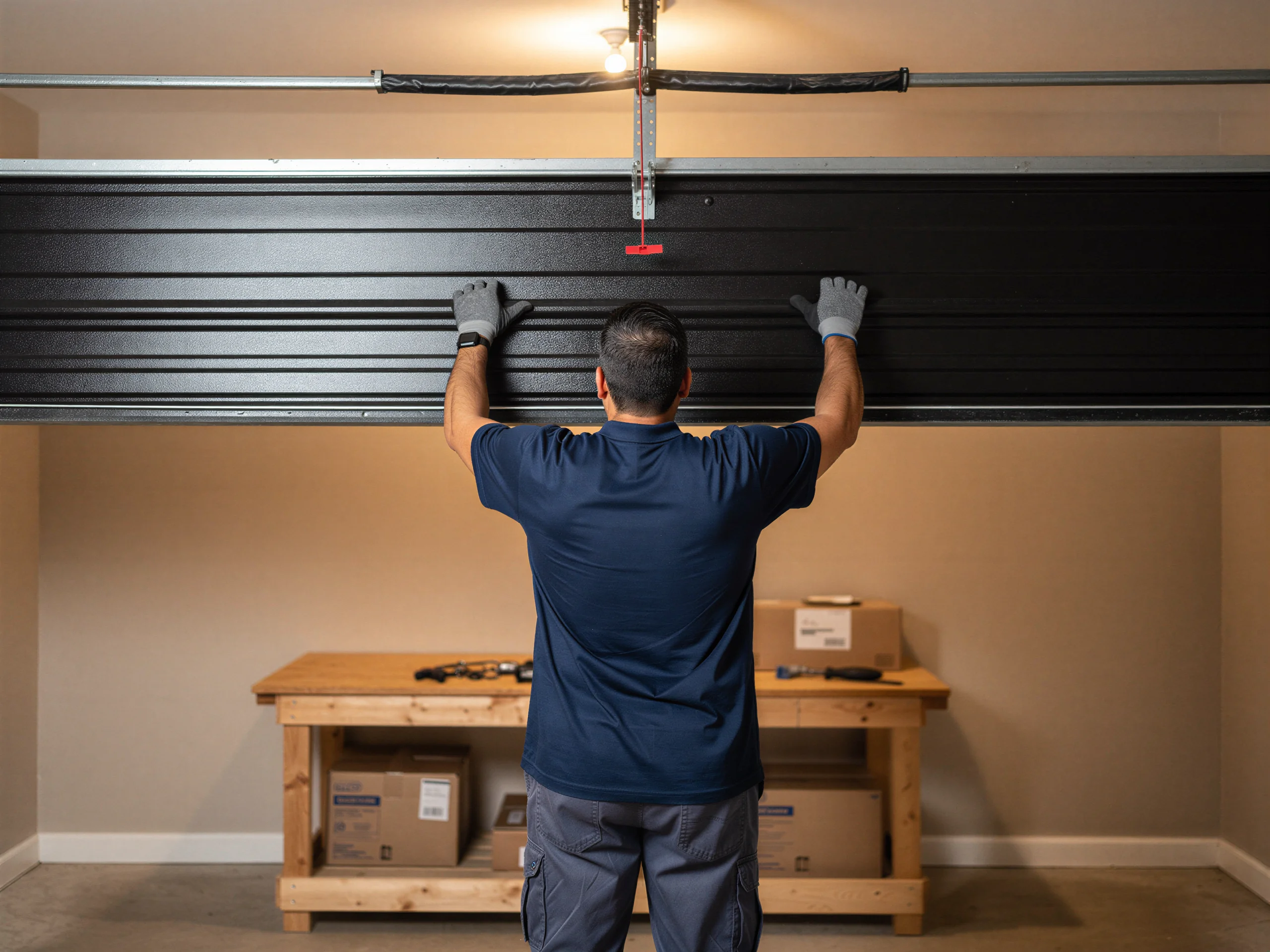
Maintenance
Tuskegee sits 17 miles out on our Auburn route, with 1970s-era doors that need specific upkeep. Learn more →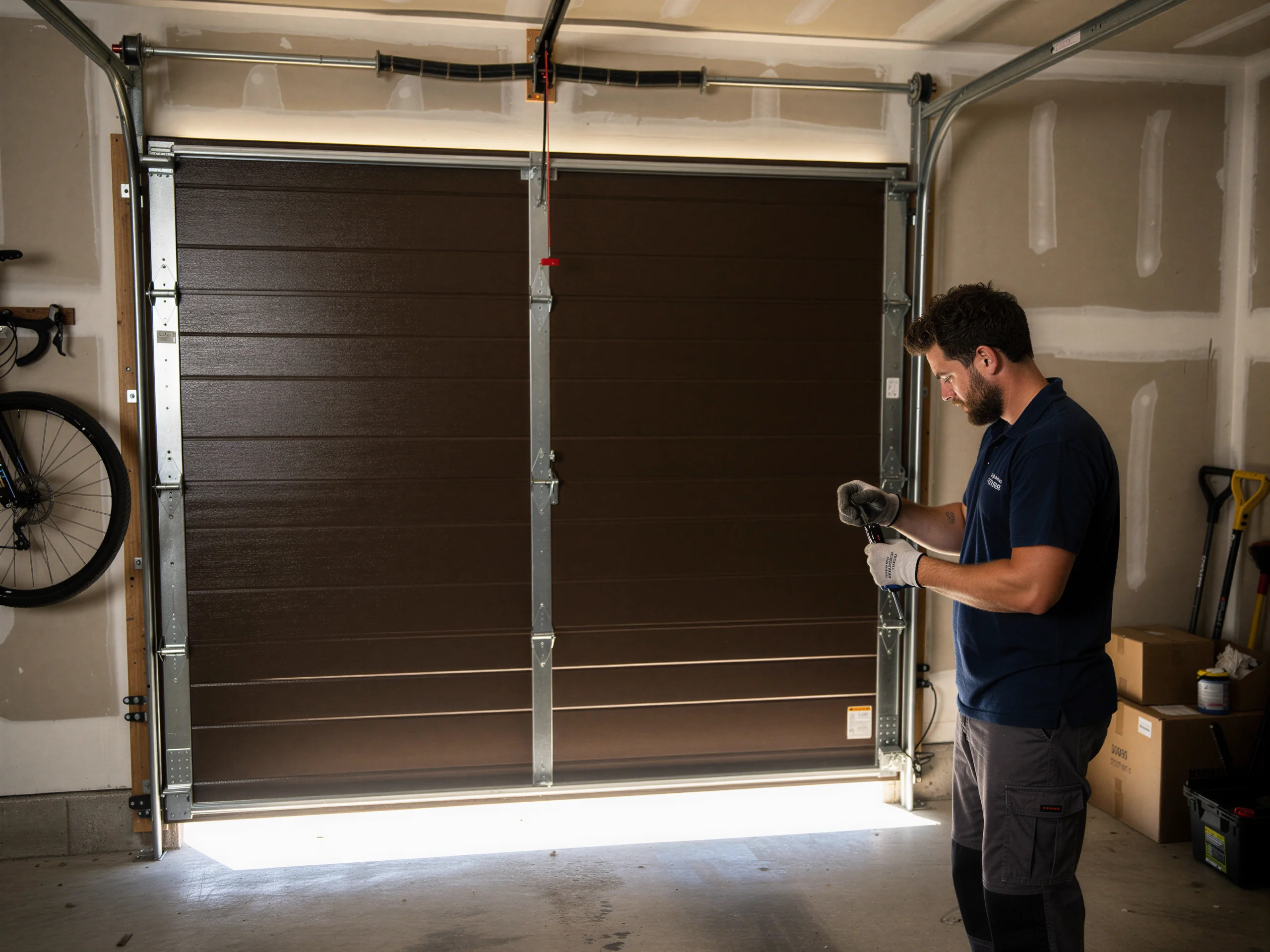
New Door Installation
New garage door installs for Tuskegee homes built around 1976, handled by a crew that drives the 17 miles out from Auburn. Learn more →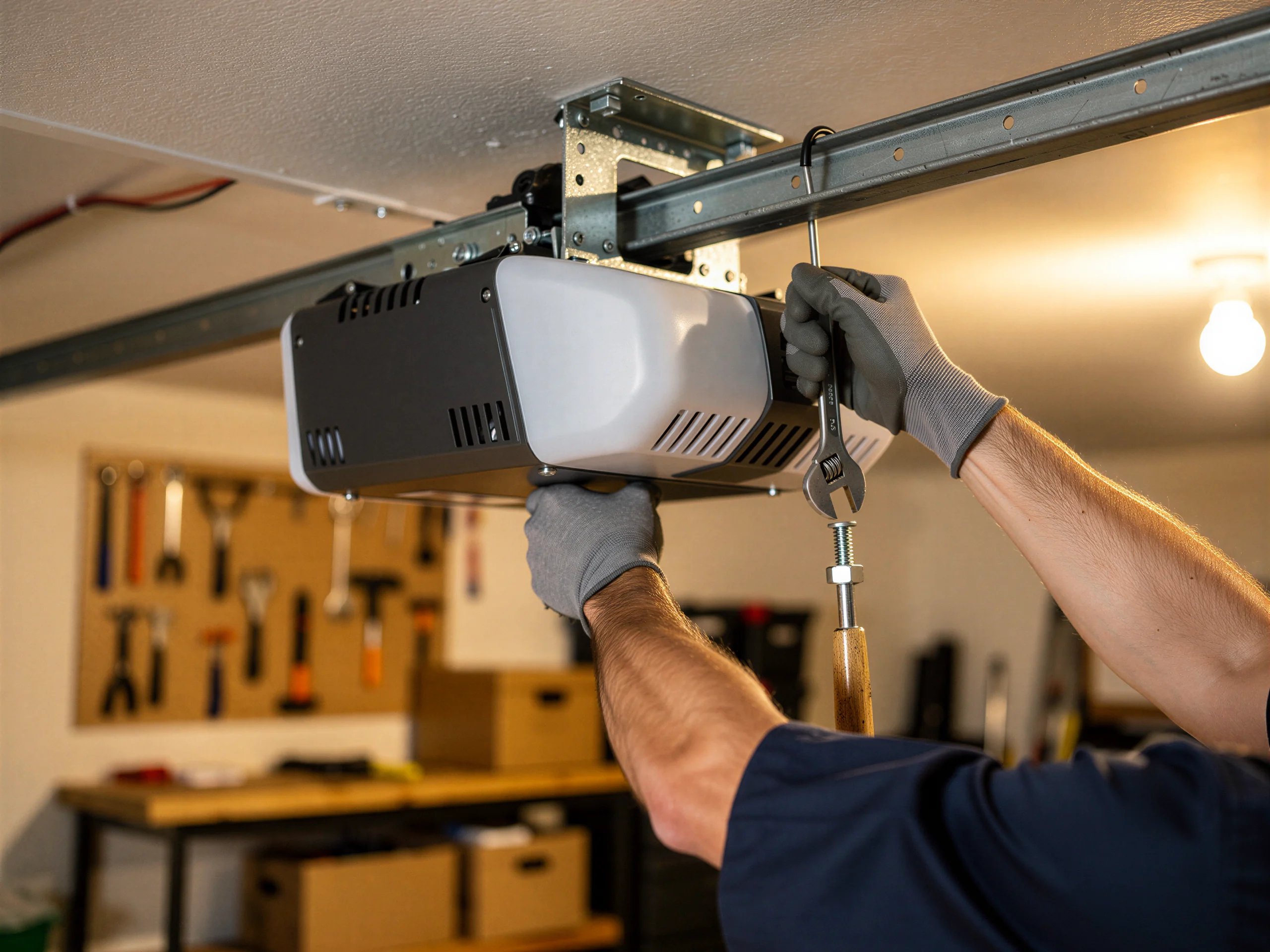
Opener Installation
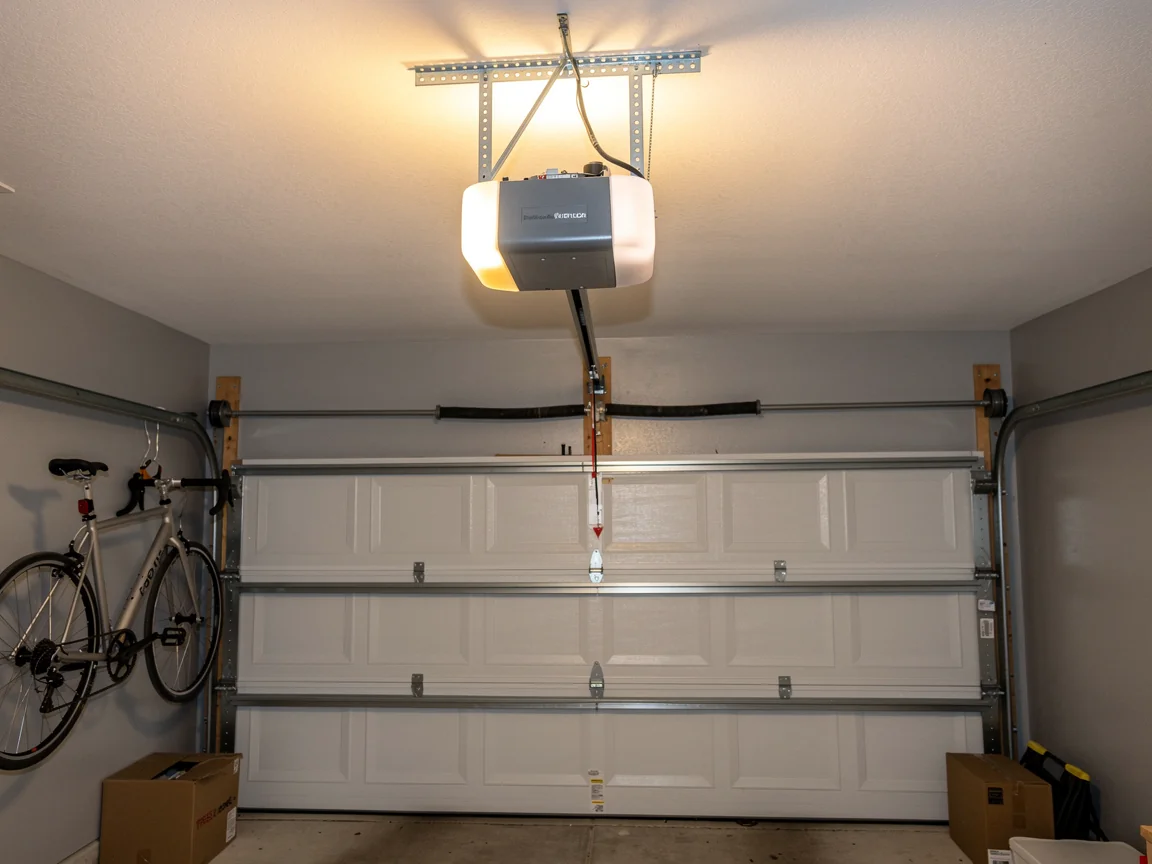
Tuskegee homes built around 1976 often still run original chain-drive openers with no photo-eye safety reversal. Learn more →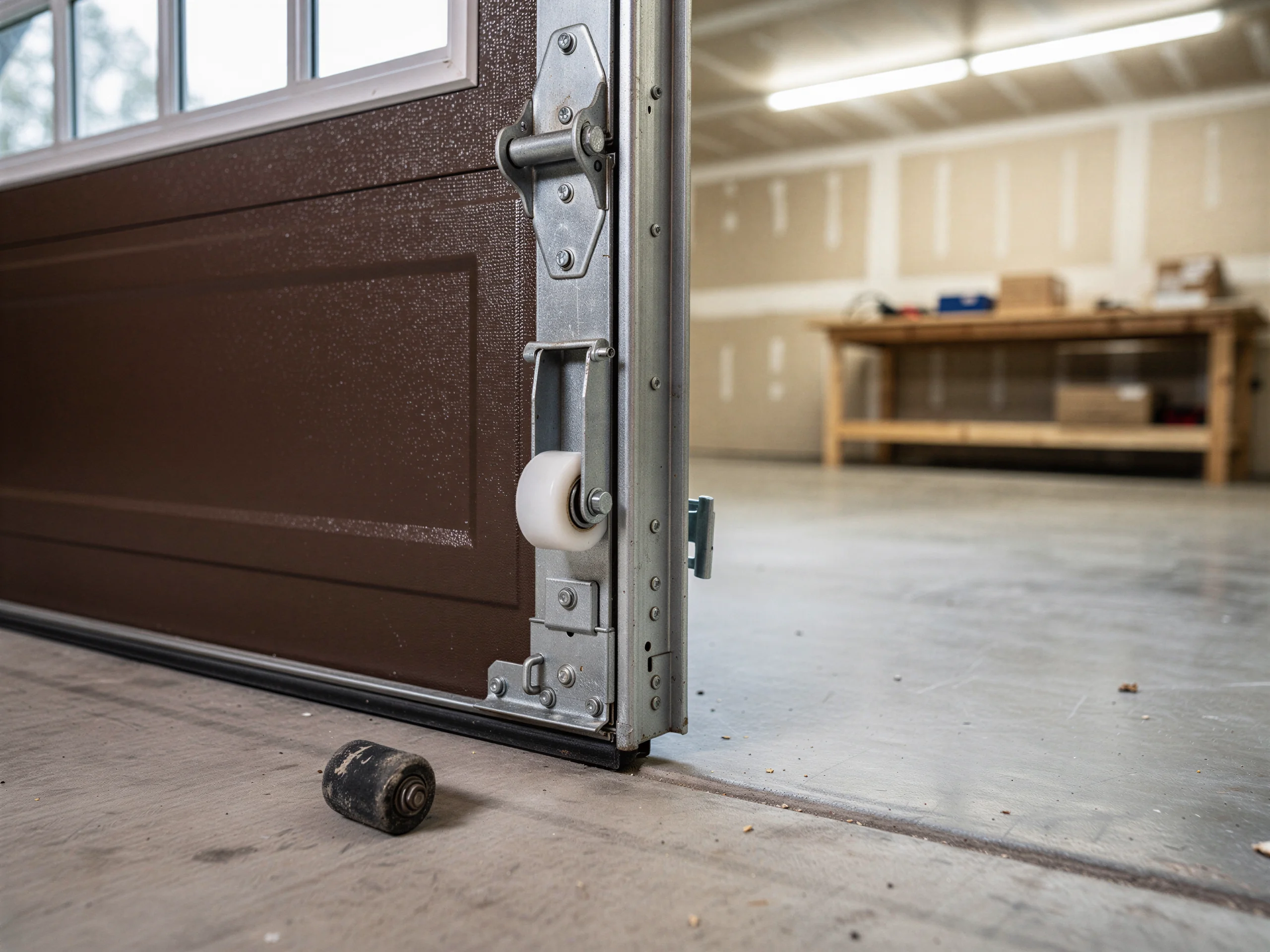
Roller Replacement
Tuskegee homes built around 1976 are still running on original steel rollers. Learn more →Ready when you are
Need a garage door sorted in Auburn?
Auburn Garage Door Pros repairs and installs garage doors, springs and openers in Auburn, AL and the surrounding area.